How anxiety in marriage affects intimacy and connection
Anxiety in marriage does not stay contained. It affects communication, trust, and physical intimacy.
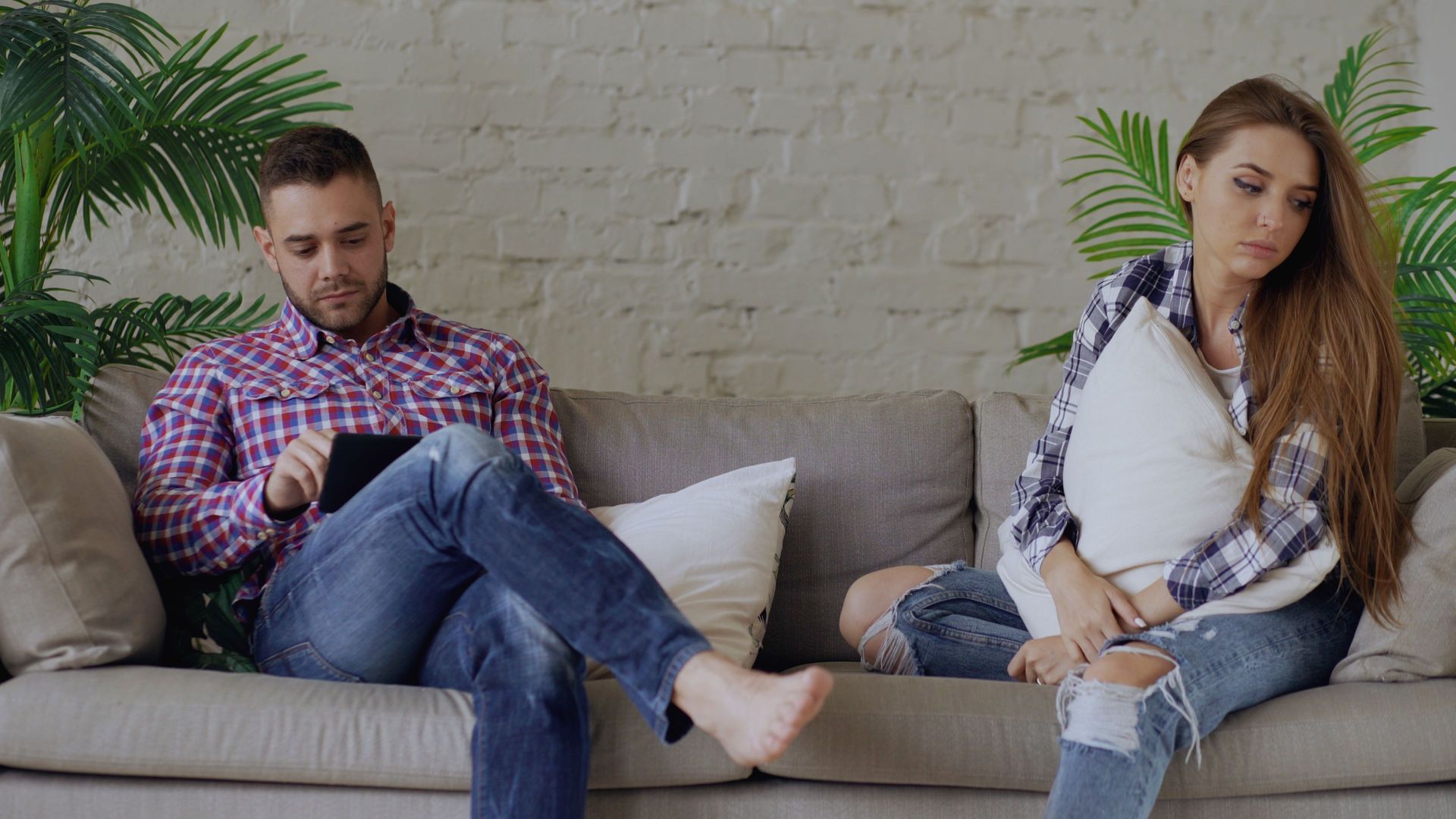
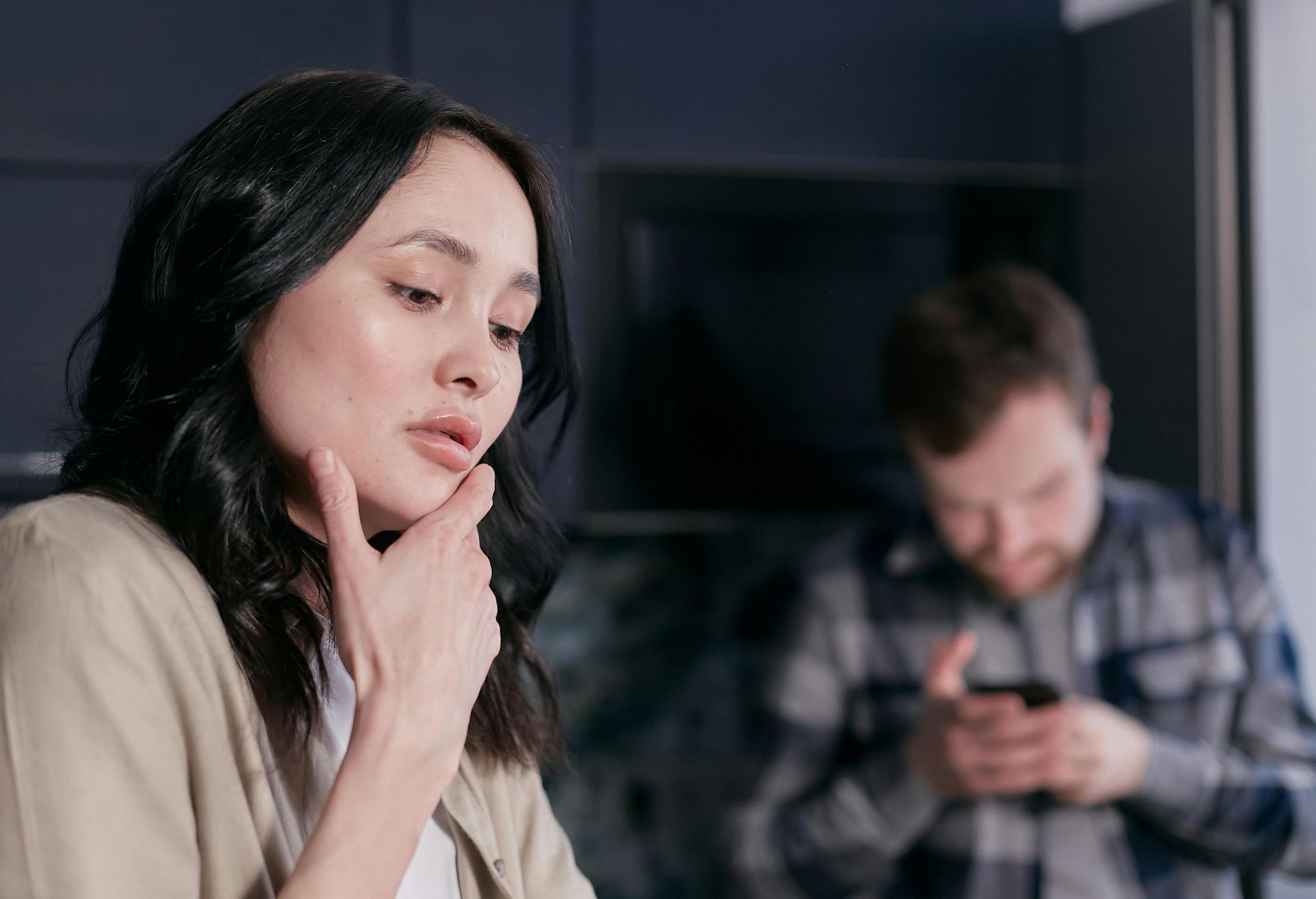
When anxiety is high, partners often misinterpret each other’s behavior. One partner may seek reassurance. The other may feel criticized or overwhelmed. This creates cycles of pursuit and withdrawal.
Emotional fatigue becomes common. The anxious partner feels unsupported. The other partner feels drained or responsible for managing emotions that feel bigger than they can handle.
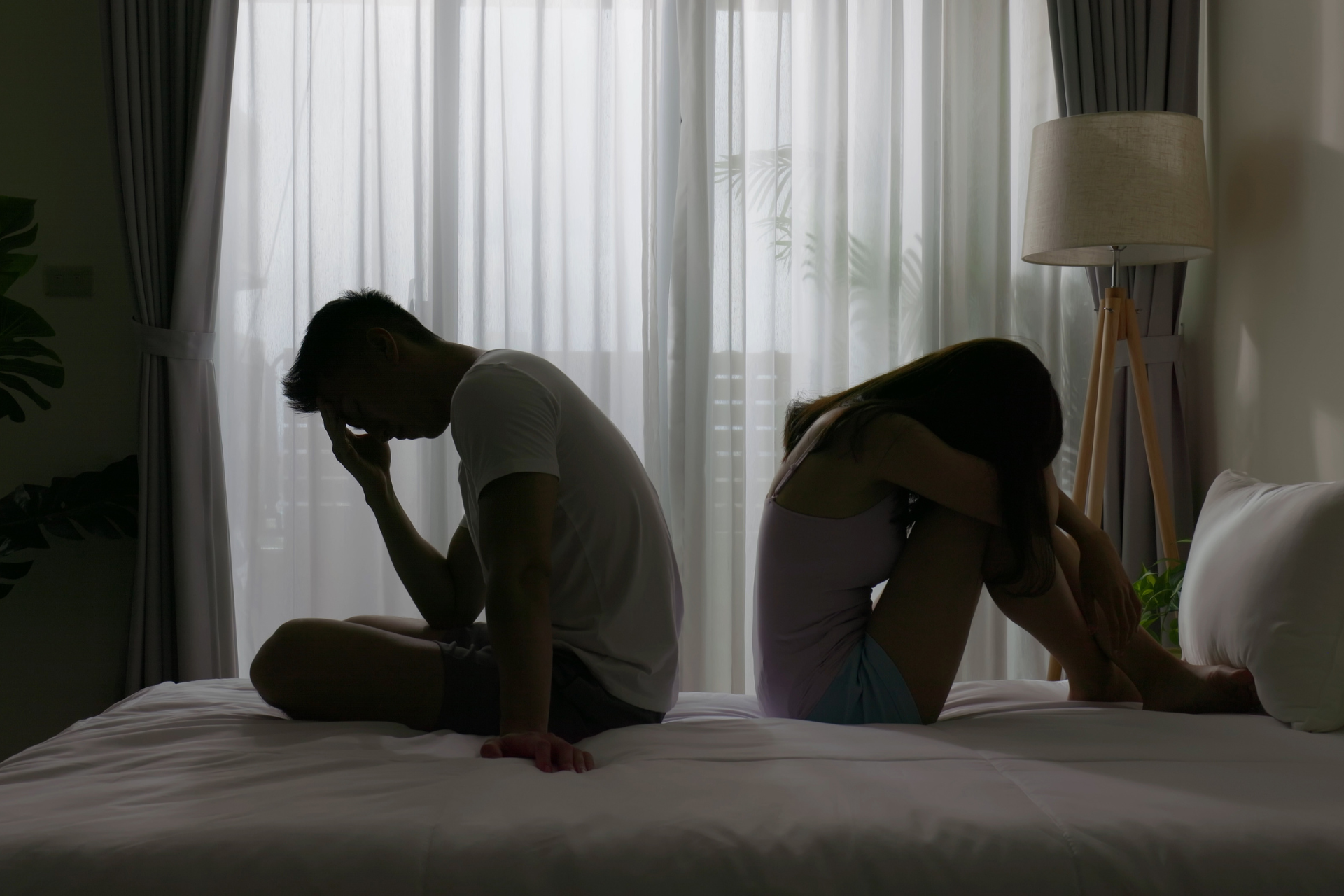
Intimacy may decline. When your nervous system is in fight or flight, vulnerability feels risky. Physical closeness can decrease, not because love is gone, but because safety feels unstable.
Anxiety in marriage can also create spouse triggered anxiety. Certain tones, facial expressions, or behaviors may activate old wounds. The reaction feels immediate and intense.
Without intervention, this cycle reinforces itself.
Married to someone with anxiety
If you are married to someone "who experiences anxiety", you may experience your own set of challenges.
You might feel responsible for calming them down. You might feel pressure to avoid triggering them. You may struggle with compassion fatigue.
Living with anxiety in marriage can feel exhausting. You may love your partner deeply and still feel overwhelmed by the intensity of their reactions.
It is common to feel:
- Emotional burnout
- Walking on eggshells
- Fear of setting boundaries
- Resentment that you do not want to admit
Supporting a spouse with anxiety does not mean abandoning yourself. Healthy marriages require shared responsibility for regulation and communication.
How to cope with anxiety in marriage
Coping with anxiety in marriage requires both individual and relational work.
Open communication
Talk about anxiety without blaming each other. Instead of saying “you make me anxious”, try saying “I notice I feel anxious when we avoid conflict”. This shifts the focus from accusation to collaboration.
Identify triggers
Anxiety in marriage often follows patterns. Notice when it increases. Is it during conflict, after intimacy, during distance, or when discussing commitment?
Understanding triggers can help reduce confusion.
Strengthen self regulation
Breathing exercises, grounding practices, journaling, and therapy can help calm your nervous system. Your partner cannot be your only source of emotional regulation.
Practice shared regulation
Couples can learn to co-regulate. This means slowing down arguments, taking breaks before escalation, and intentionally reassuring each other in moments of fear.
Maintain autonomy
Anxiety sometimes stems from fear of losing independence. Maintaining hobbies, friendships, and individual identity protects both partners.
Separation anxiety in marriage
Separation anxiety can also show up in long term relationships.
You may experience intense distress when your spouse travels or is emotionally distant. You may need constant updates or communication to feel stable.
This form of anxiety in marriage is often rooted in attachment insecurity. It can create tension if one partner needs frequent contact and the other values autonomy.
Healthy connection includes both closeness and independence. Anxiety disrupts that balance.
Therapy for anxiety in marriage
When anxiety in marriage feels persistent or overwhelming, therapy can be transformative.
Couples therapy helps identify the negative cycle instead of blaming one another. It creates a structured space to explore fear safely. You learn to understand what is underneath the anger or withdrawal.
Emotionally focused therapy is particularly effective for anxiety in marriage because it addresses attachment needs directly. It helps partners move from reactive patterns to secure connection.
Individual therapy can also support anxiety management. If one partner experiences panic attacks, intrusive thoughts, or chronic insecurity, personal support is essential.
Therapy is not about proving someone is wrong. It is about creating emotional safety, trust, and clarity.
Do you feel like anxiety is ruining your marriage?
Some couples reach a point where anxiety in marriage feels destructive.
Arguments escalate quickly and frequently. One or both partners feel misunderstood. Trust feels fragile. Communication becomes reactive instead of intentional.
You may begin to question whether you are compatible. You may fear that anxiety means the relationship is wrong.
It is important to understand that anxiety can distort perception. It magnifies uncertainty. It amplifies fear. It pushes you to seek safety through control, reassurance, or withdrawal.
Anxiety in marriage does not automatically equal incompatibility. Often it signals unhealed attachment wounds or unmet emotional needs.
If you recognize your relationship in these patterns, you do not have to figure it out alone. Exploring
Couples therapy can help you slow down the cycle and rebuild emotional safety together. If anxiety feels overwhelming at an individual level,
anxiety therapy can help you regulate your nervous system and understand your triggers. And if you need space to explore your own attachment history and relational patterns,
Individual therapy offers focused support for deeper healing.