

15 couples therapy exercises to try at home

October 21, 2026

Maybe you had a good session this week or a rare moment at home where you actually understood each other, and when Tuesday came around dishes piled up, both of you tired, and that closeness felt far away again. You wanted to hold onto it. You just did not know how. That gap between the moments of connection and the ordinary grind of daily life is exactly where steady rituals can help you return to each other again and again, especially on the days when nothing is in crisis and it would be easy to just let the distance sit.

In case you are new here, I am Dama Perez, a couples therapist helping first-generation Latinas and multicultural couples build exactly this kind of intentional connection, with real cultural nuance woven into the work.

Why small, repeated rituals matter more than one big conversation

Most couples come to me believing that if they could just have the one perfect conversation, the disconnection would finally resolve. In practice, connection rarely gets rebuilt that way. It gets rebuilt in small, repeated moments, the same way trust erodes gradually rather than all at once. The exercises below draw directly from emotionally focused couples therapy, which is the same lens I use in session, and they are designed to build emotional safety in the ordinary, low-stakes moments of a week, not just in crisis.

That means these exercises work best outside of conflict, not during it. Try them on a calm evening or a slow weekend morning, not in the middle of an argument, since the goal is to build the habit of connection before you need it, the same way you would practice a skill before relying on it under pressure. Most couples do not need all fifteen at once. Pick one or two that feel most relevant to where you are right now, practice them consistently for a few weeks, and only add more once the first ones feel natural rather than effortful.

These exercises can genuinely help, and they tend to work best alongside deeper support when there is real hurt underneath the surface, since a ritual, however consistent, cannot substitute for processing an unresolved wound.

The daily check-in

Set aside five minutes each day, ideally at the same time, to ask each other one simple question: how are you really doing today? The point is not to fix or provide advice, rather to listen. It is to build the habit of checking in before disconnection has a chance to grow into distance neither of you notices until it is significant.

Appreciation before bed

Before falling asleep, take turns naming one specific thing you appreciated about your partner that day. It does not need to be dramatic. Noticing that they made coffee without being asked, or that they listened patiently during a hard moment counts. This exercise trains your attention toward what is working, which matters especially in periods when conflict has made it easy to only notice what is going wrong.

The weekly state of the union

Once a week, sit down together for fifteen to twenty minutes to talk honestly about how the relationship is feeling. Cover what went well, what felt hard, and one thing you would like more of moving forward. Keeping this on a schedule, rather than only talking when something goes wrong, prevents small tensions from building into larger resentments that surface all at once.

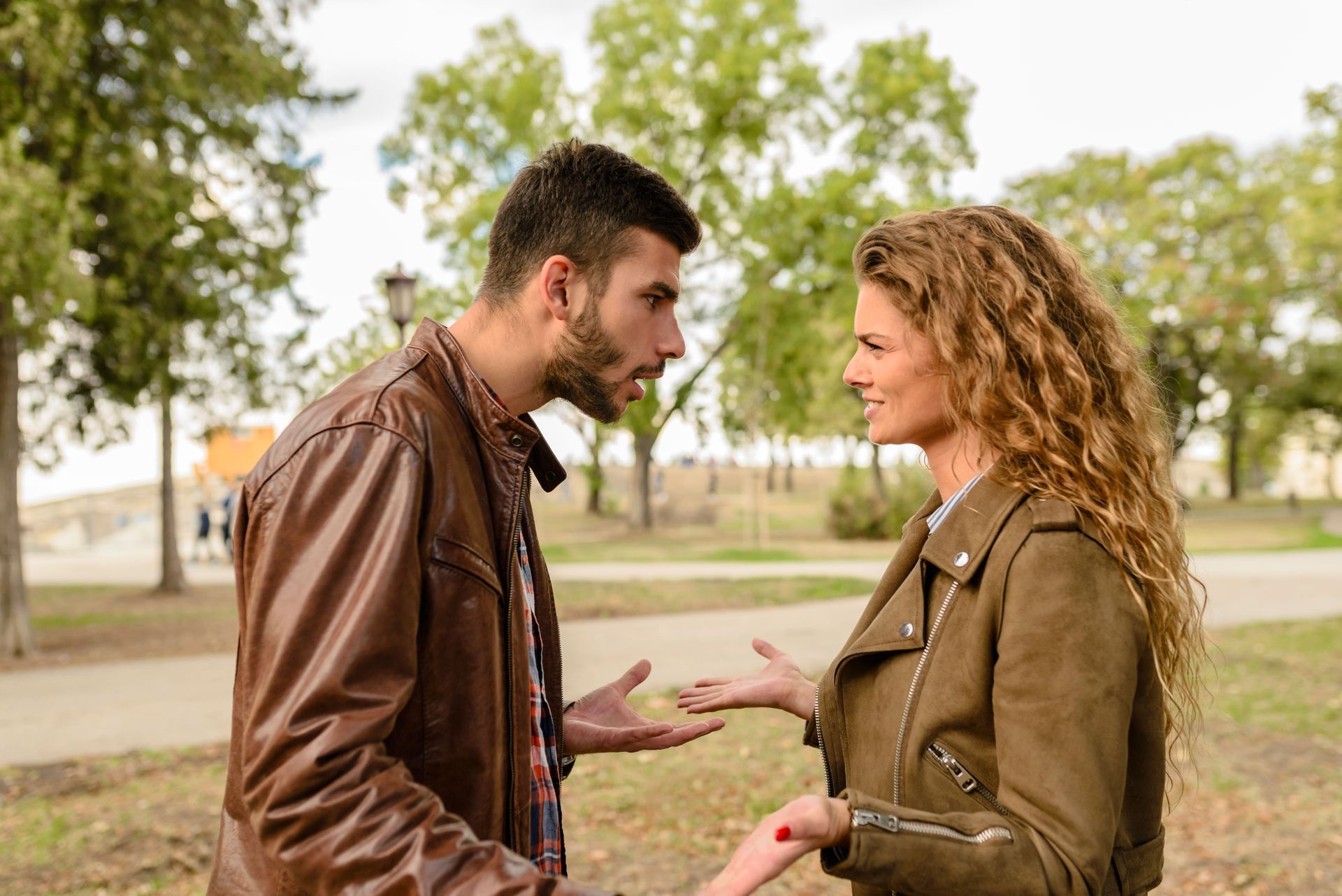
couples therapy exercises

The stress-reducing conversation

Set a timer for ten minutes and take turns talking about a stress that is not about your relationship, work, family, or something else entirely. The listening partner's only job is to offer empathy not solutions. This builds the habit of turning toward each other for support rather than carrying stress alone or accidentally displacing it onto the relationship itself.

The twenty minute vent and listen

When one partner needs to vent about something upsetting, agree in advance on twenty minutes where the listener simply reflects back what they hear, without defending, problem solving, or redirecting the conversation. This is especially useful when one of you tends to feel unheard and the other tends to feel like every conversation turns into criticism.

Love map questions

Take turns asking each other questions about your inner world that you may not have discussed recently, your current stresses, your hopes for the next year, what is currently on your mind that you have not shared. Staying curious about your partner's inner life, even after years together, keeps you from operating on outdated assumptions about who they are right now.

The repair attempt phrase list

Create a short list of phrases you can both use mid-argument to signal you want to de-escalate, such as, can we start this over, or, I am getting flooded and need a pause. Agreeing on this language ahead of time, when you are both calm, makes it far easier to actually use in the heat of the moment.

The one minute eye contact

Sit facing each other and hold eye contact for sixty seconds without speaking. This can feel surprisingly vulnerable, especially for couples used to communicating quickly or avoiding stillness. It builds a felt sense of connection that does not depend on words, which can be grounding after a period of conflict or distance.

The gratitude jar

Keep a small jar where you each drop in a written note whenever your partner does something you appreciate. Read them together at the end of the month. This creates a tangible record of the good moments, which is especially helpful during harder seasons when it is easy to forget the relationship has ever felt easy.

The soft startup rewrite

Practice turning a harsh complaint into a softened one before bringing it to your partner. Instead of, you always ignore me, try, I have been feeling distant lately and I would love more time together. This single shift, softening how a concern is raised, dramatically changes how likely the other person is to hear it without becoming defensive.

The time-out and return ritual

Agree on a specific signal, a word or gesture, either of you can use to pause an escalating conversation, along with a specific time to return to it, such as twenty minutes later. The pause only works if the return is guaranteed, since avoiding conversations indefinitely creates its own kind of harm.

The what I need right now statement

When emotions run high, practice naming your need directly rather than expecting your partner to guess it, such as, I need reassurance right now, or, I need space for a few minutes. This is especially powerful for couples where one partner grew up needing to hide their needs to keep the peace.

Cultural story sharing

Take turns sharing a story from your family or cultural background that shaped how you understand love, conflict, or loyalty. This exercise often surfaces unspoken expectations neither of you realized you were carrying, and it builds genuine curiosity about where your partner's patterns actually come from.

Physical affection without agenda

Set aside ten minutes for physical closeness, holding hands, a long hug, sitting with your feet touching, with an explicit agreement that it will not lead anywhere else. This can rebuild physical safety and warmth, especially for couples who have started associating touch only with either conflict or expectation. If physical or emotional intimacy has felt distant for a while, this exercise pairs well with the deeper work I describe in intimacy therapy for couples.

The future vision conversation

Spend time imagining and describing your relationship five years from now, in as much detail as you can. What does an ordinary Tuesday look like? What have you built together? This exercise reconnects you to a shared sense of purpose, which is easy to lose sight of in the middle of daily stress and old conflict.

Making these exercises work if affection wasn't modeled openly in your family

For many first-generation and multicultural couples, these exercises can feel unfamiliar at first, not because the relationship lacks love, but because love was shown through sacrifice, provision, and quiet endurance rather than words or scheduled check-ins. If naming a feeling out loud or holding eye contact for sixty seconds feels stiff or even a little embarrassing the first few times, that reaction makes sense. You are not doing it wrong. You are building a language your family may never have used, even if the love underneath it was real.

Start with whichever exercise feels least intimidating rather than the one that seems most important. Consistency in a smaller, more comfortable practice, like the daily check-in or appreciation before bed, tends to build more trust over time than forcing a bigger, more vulnerable exercise before either of you feels ready for it. Let the exercises grow with you instead of measuring yourselves against how naturally they seem to come for other couples.

You deserve more than exercises, you deserve to feel like home again

Exercises like these can open the door to real connection, but they are not a replacement for working through deeper wounds, especially if trust has been broken or old patterns keep resurfacing no matter how many exercises you try. If you find yourselves starting these exercises with good intentions and still ending up in the same painful cycle, that is not a sign you are doing it wrong. It is a sign the two of you are carrying something that a checklist was never going to be enough to hold. That is exactly where more structured relationship therapy can pick up where these exercises leave off.

If you are in the Irvine area and ready to build a stronger connection, I would love to help. You can learn more about working together at therapy in Irvine, California. I also work with couples joining from Los Angeles and Santa Ana, wherever you're starting from.

You deserve a love that feels like home, not a project you are constantly managing alone. Book your consultation today.

Smiling woman in a navy blazer and white top against a white background

Hi, I´m Dama Pérez

Licensed Marriage and Family Therapist, Certified Grief Educator, and founder of CASA Therapy.


I'm trained in Emotion Focused Therapy for both couples and individuals. I firmly believe that love can be healing when both people are willing to do the work.

Download my free guide

Stack of overlapping brochures with beige, brown, and green covers on a white background
communication issues in relationships
October 14, 2026
Struggling to talk without shutting down or blowing up? See common communication patterns and how Casa Therapy in Irvine can help you fix them.

healthy relationship boundaries
September 30, 2026
Struggling to set boundaries without guilt? See real examples of healthy relationship boundaries and how Casa Therapy in Irvine can help you hold them.

Two people holding hands in a tense moment beside a wooden wall
September 17, 2026
Betrayal changes everything. Learn what infidelity therapy treats and how Casa Therapy in Irvine supports individuals and couples through it.

Woman sitting on a bed, looking down at a phone in a bright bedroom with white bedding.
August 12, 2026
Constant doubt or worry in your relationship? Learn what relationship anxiety looks like day to day and how Casa Therapy in Irvine can help.

Two people sit apart on a gray couch, both looking down and appearing upset in a living room.
August 4, 2026
Wondering if couples therapy works after infidelity? Learn what real recovery looks like and how Casa Therapy helps couples rebuild trust.

Three people in a counseling session in a bright living room, seated and talking with a therapist.
By Dama Perez • July 18, 2026
Work with a skilled marriage therapist. Compassionate repair, expert strategies, and real hope for struggling couples.