Avoidant attachment style: signs, causes, and how to build closer relationships
It is Sunday night. The weekend with your partner was really good. You cooked together, laughed at the same show, and fell asleep together. Despite a great weekend on Monday morning, you feel a small, quiet relief when the door closes behind you and the space is yours again. You don't fully understand that relief and you are a little afraid to say it out loud.
If that moment feels familiar, you may be living with an avoidant attachment style. It is one of the most common ways people learn to protect their hearts, and one of the most misunderstood. People with this pattern often get described as cold or uninterested. In my experience, the opposite is usually true. They love deeply. Somewhere along the way, closeness started to feel too risky, and their nervous system found a way to keep them safe.
In case you are new here, I am Dama Perez, founder of CASA Therapy and a licensed marriage and family therapist offering emotionally focused couples therapy for first-generation Latinas, BIPOC professionals, and multicultural couples who are ready to stop repeating the patterns they grew up with. Many of my clients are the steady, capable ones in their families, the people who learned early that needing others was a luxury. If that sounds like you, or like the person you love, you are in the right place.
In this post, I will walk you through what avoidant attachment style is, the signs that show up in everyday life, where it comes from, how it shapes your relationships, and how healing can begin.
What is an avoidant attachment style?
Avoidant attachment style is an insecure pattern of relating in which a person values independence so strongly that emotional closeness starts to feel uncomfortable, even threatening. People with this style usually do want connection. They simply feel safer keeping one foot out the door, managing their emotions privately, and relying on themselves when things get hard.
Attachment theory tells us that the way we bond as adults is shaped by how our earliest caregivers responded to our needs. When a child learns that reaching for comfort brings warmth and help, security grows. When reaching brings disappointment, criticism, or silence, the child adapts by reaching less. That adaptation is wise for a small person with no other options. Decades later, it can quietly keep a loving adult at arm's length from the people they care about most.
Dismissive avoidant attachment: when independence becomes armor
You may also see this pattern called dismissive avoidant attachment. The word dismissive can sound harsh, so I want to soften it. It describes a habit of minimizing emotional needs, your own and sometimes your partner's, so that no one has to feel too much. It sounds like "I'm fine," "It's no big deal," or "We don't need to talk about it." Underneath that calm surface there is often a person who learned that feelings led nowhere good. Independence became armor. Armor protects you from being hurt, and it also keeps out the tenderness you deserve.
Avoidant does not mean you care less
One of the most painful misunderstandings I see is the belief that avoidant partners simply care less. I think of it more like a tide. The ocean doesn't stop loving the shore when it pulls back. It is following a rhythm it learned long before you met. When an avoidant partner pulls away, they are usually calming an alarm inside their own body, not rejecting the person in front of them. Knowing that doesn't make the distance hurt less. It does make it possible to talk about the distance without blame.
What are the signs of avoidant attachment?
Avoidant attachment rarely announces itself. It shows up in small, repeated moments that are easy to explain away. Some of the signs I see most often include:
- Pulling back when a relationship starts moving faster than feels comfortable, even when things are going well.
- Feeling irritated, or even trapped, when a partner asks for reassurance.
- Finding it much easier to talk about work, logistics, or plans than about what is happening inside you.
- Feeling almost physically uncomfortable asking for help, even when you are exhausted.
- Needing time alone to reset after closeness, and then feeling guilty for needing it.
Deactivating strategies: how the mind creates distance
Many people with this style notice that they zoom in on a partner's flaws once things get too close. A laugh that used to feel charming starts to feel annoying. A small habit suddenly becomes proof that this person is wrong for you. Therapists call these deactivating strategies. They are the mind's way of creating distance when intimacy starts to feel like too much. If you have ever ended things right when a relationship was getting good, and couldn't quite explain why, this may be part of the story.
Shutting down during conflict
Others describe a kind of emotional numbness during arguments, a shutting down that looks calm on the outside while the body is flooded on the inside. In my practice, I often hear clients say, "I don't know what I feel, I just know I need to leave the room." That need for space is valid. The work is learning to take space in a way that also tells your partner you are coming back.

What causes avoidant attachment style?
Avoidant attachment usually begins in childhood, typically in homes where emotional needs were minimized, ignored, or met with criticism. A caregiver may have provided food, shelter, and structure, and still been unable to sit with a child's sadness or fear. Maybe crying was met with "stop it," or maybe no one noticed at all. Children in these homes learn a powerful lesson: I am safest when I need nothing.
Sometimes the caregivers themselves were overwhelmed, grieving, depressed, or carrying their own unhealed wounds. Many loving parents simply did not have the emotional tools to offer what they never received. Naming where avoidant attachment comes from is a way to understand yourself with more compassion and less blame, for you and for the people who raised you.
First-gen roots: when self-reliance was how you survived
For many of the clients I work with, avoidant patterns grew in homes where survival came first. Parents worked long hours, sacrificed endlessly, and had little room for conversations about feelings. Maybe you were nine years old translating at the doctor's office. Maybe you were the kid who never caused problems, the one who cared for younger siblings and kept your worries to yourself because everyone was already carrying so much. Being low maintenance felt like a way to love your family.
Culture can deepen this too, when strength is praised and vulnerability gets read as weakness. Those roots deserve honor. They also deserve a second look, because the self-reliance that helped you survive may now be the very thing making it hard to let love in. Your culture is not the problem. Silence is.
How does avoidant attachment style affect relationships?
In relationships, avoidant attachment often creates a push and pull that confuses both partners. The beginning of a relationship may feel easy and warm. Then, as the relationship asks for more emotional presence, the avoidant partner begins to withdraw. They get busier, text less, or go quiet during important conversations. Their partner, feeling the distance, reaches harder, and the reaching makes the avoidant partner want even more space.
Over time, both people can end up lonely inside the same relationship. The avoidant partner feels pressured and criticized. The other partner feels unwanted and invisible. If you are the one who keeps reaching, you may recognize yourself in my post on anxious attachment style and how to heal it. These two patterns find each other more often than you would think.
The pursue-withdraw cycle: when one of you reaches and the other retreats
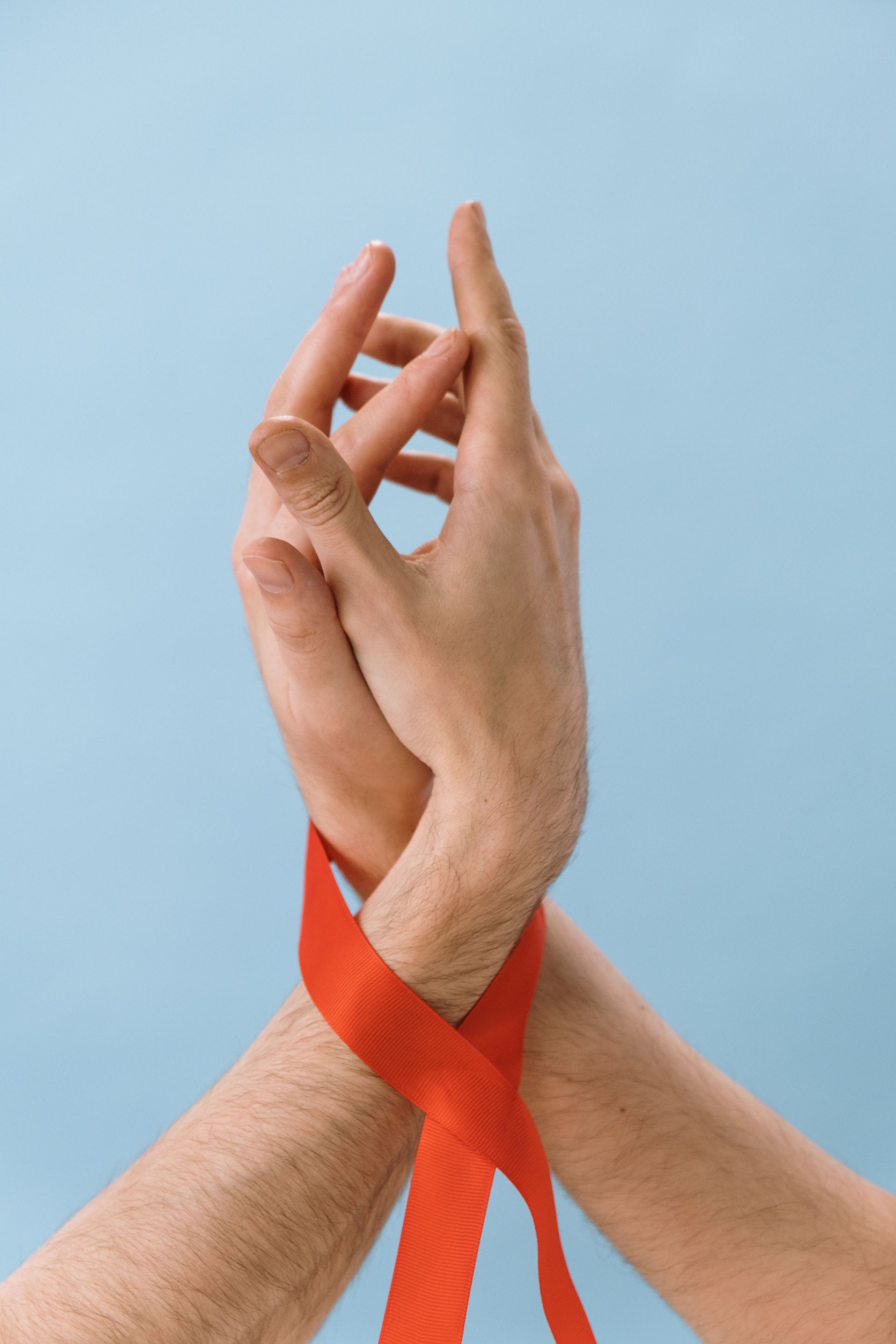
In emotionally focused therapy, this is called the pursue and withdraw cycle, and it is one of the most common patterns I see in couples. It rarely starts with anything big. A conversation about the dishes turns into "you never help," one of you goes quiet, the other gets louder, and you end the night on opposite sides of the house. It was never about the dishes. One partner pursues because they are afraid of losing connection. The other withdraws because they are afraid of failing or being overwhelmed. Neither of you is the villain. The cycle itself is the problem, and once you can both see it, you can start facing it together as a team.
When avoidance meets cultural difference
In multicultural couples, avoidance can get tangled up with culture. Maybe you grew up in a family where love meant working hard and not complaining, and your partner grew up in a family that talked through everything at the dinner table. What feels like respectful quiet to one of you can feel like abandonment to the other. Part of the work I do with couples is gently separating what is attachment and what is culture, so neither of you ends up labeled as the problem.
How do avoidants fall in love?
People with avoidant attachment fall in love deeply, though often slowly and quietly. Their love tends to show up more in actions than words: fixing something around the house, remembering how you take your coffee, showing up on time, handling a problem before you even notice it. Words of affection and long emotional conversations may feel harder, especially early on.
Avoidant partners also feel safest when love is offered without pressure. A partner who respects their need for space, while staying honest about their own needs, gives them room to move closer at their own pace. Love grows for avoidant people when closeness starts to feel like a choice they get to make. If physical or emotional closeness has started to feel like pressure in your relationship, intimacy therapy for couples can help both of you find a pace that feels safe.
How do you help an avoidant partner?
If you love someone with an avoidant attachment style, it can feel like you are always the one reaching. It helps to remember that their distance usually comes from fear, not indifference. A few shifts that tend to make a real difference:
- Try shorter check-ins instead of long, intense talks. Ten honest minutes can do more than two hours of processing.
- Name the longing underneath the request: "I'm asking because I miss you," rather than "You never make time for me."
- When they need space, agree on a time to come back to the conversation, so the pause doesn't feel like a door closing.
- Notice the love they show in actions, and tell them when you see it.
Giving space without disappearing yourself is a delicate balance. You deserve to have your own needs met, and you don't have to shrink to make an avoidant partner comfortable. If loving someone who pulls away has left you second-guessing every text and every silence, my post on relationship anxiety and whether it is fear talking may help you sort through what you are feeling. Many of the couples I work with find that once the pursuing partner softens and the withdrawing partner feels safer, both people start to show up differently.
How can avoidant attachment style be healed?
Attachment styles can change. Researchers call this earned security, and I have watched it happen for so many clients. Healing avoidant attachment begins with noticing your patterns without judgment. When do you pull away? What happens in your body right before you shut down? What story do you tell yourself about needing other people?
From there, the work is practicing small moments of vulnerability in relationships that feel safe. That might mean telling your partner, "I'm starting to feel overwhelmed. I need twenty minutes, and I'll come back." It might mean letting a friend help you move, or sharing one feeling you would normally keep to yourself. Each small risk teaches your nervous system that closeness can be survived, and even enjoyed.
How therapy helps you let closeness in
Therapy can make this process gentler. In individual therapy, I help you explore where your self-reliance began and how it lives in your body today, without asking you to give up the independence that has carried you this far. In couples therapy, I slow your cycle down so each of you can finally see the fear underneath the distance. I move at a pace that feels safe for you, because pushing an avoidant heart too fast only teaches it to run.
What would it feel like to let love in when your avoidant attachment style tells you to run?
If you have spent your life being the strong one, the one who handles everything alone, I want you to know that you are allowed to be held too. Your independence is a gift, and it can live alongside closeness. You can protect yourself and be loved at the same time.
At CASA Therapy, I help individuals and couples understand the patterns that keep them apart and build new ways of reaching for each other. Whether you come alone or together, I will make room for your history, your culture, and your hopes.
I offer in person couples therapy in Irvine, CA, along with virtual sessions for clients looking for therapy in Costa Mesa, Tustin, surrounding areas, and throughout California.

Hi, I´m Dama Pérez
Licensed Marriage and Family Therapist, Certified Grief Educator, and founder of CASA Therapy.
I'm trained in Emotion Focused Therapy for both couples and individuals. I firmly believe that love can be healing when both people are willing to do the work.
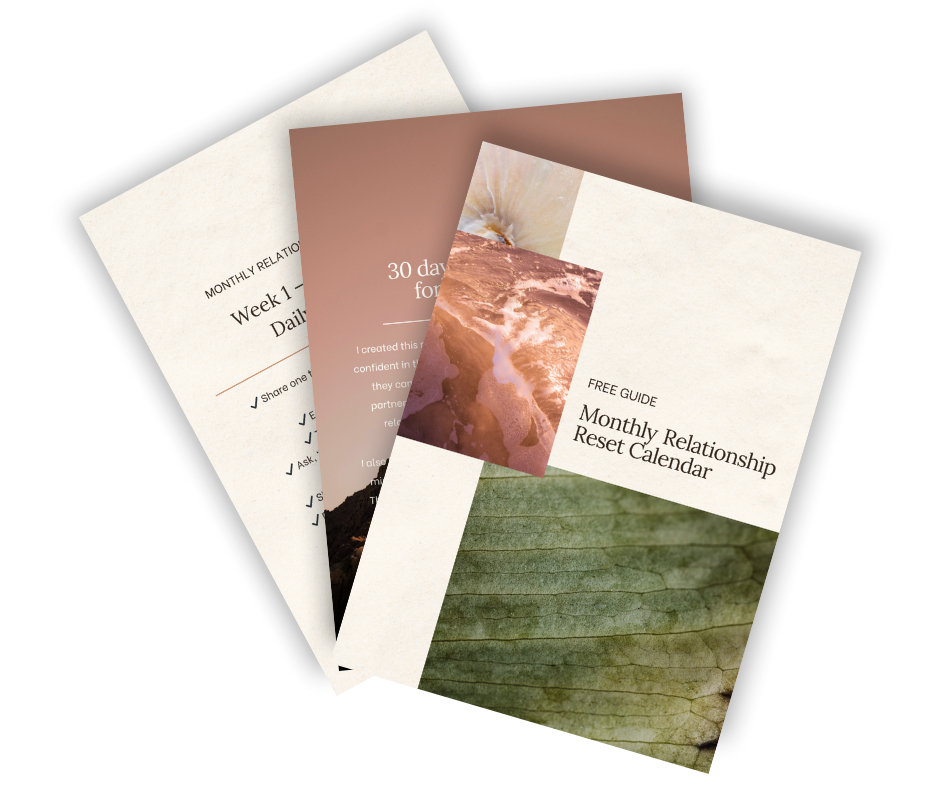
Download my free guide