Disorganized attachment style in relationships: what it looks like and how to heal
At 10 p.m. you texted your partner that you missed them. By midnight, when they hadn't answered, you had rewritten the whole story in your head: they're pulling away, they've been lying, you should end it before they do. At 7 a.m. they replied with a sweet good morning, and you felt relief, some embarrassment, then a strange urge to push them away before they could get any closer.
If you have ever felt desperate for love and terrified of it in the same breath, you may be living with a disorganized attachment style. These swings can leave you exhausted and ashamed, like you are too much for anyone to handle. Please hear this first: there is a reason you feel this way, and there is a path toward feeling steady in love.
In case you are new here, I am Dama Perez, founder of CASA Therapy and a licensed marriage and family therapist offering emotionally focused couples therapy for first-generation Latinas, professionals of color, and multicultural couples who are ready to interrupt painful relational cycles. I have walked my own path out of relationships that felt unsafe, and I know how much courage it takes to trust love again. I work at a pace your nervous system can handle.
In this post, I will walk you through what disorganized attachment style is, the signs to look for, what causes it, how it affects relationships, how it differs from borderline personality disorder, and how healing can begin.
What is disorganized attachment style?
Disorganized attachment style is an insecure pattern of relating in which a person deeply craves closeness and at the same time, feels afraid of it. The other insecure styles have a consistent strategy. Anxious attachment reaches harder when connection feels threatened. Avoidant attachment pulls away. Disorganized attachment holds both impulses at once, so a person may reach and retreat in quick succession, sometimes within the same conversation.
Researchers Mary Main and Judith Solomon first described this pattern in the 1980s, when they noticed that some young children moved toward their caregiver and away at the same time, frozen between longing and fear. That freeze makes sense once you understand where it comes from. A child's body is wired to run toward a caregiver when scared. When the caregiver is also the source of fear, the child is caught in an impossible bind. That bind can follow them into adulthood and show up in the relationships that matter most.
If you recognize the reaching side of this pattern more than the retreating side, my post on anxious attachment style and how to heal it can help you see where the two overlap and where they differ.
Fearful avoidant vs disorganized attachment: how the two terms connect
You will often see disorganized attachment and fearful avoidant attachment used interchangeably. The terms come from slightly different research traditions. Disorganized attachment was first described in children, while fearful avoidance is the name researchers use for a similar pattern in adults. Both describe a person who wants intimacy and fears being hurt by it. For most people reading this, the two terms point to the same lived experience: a heart that longs for connection and a nervous system that keeps sounding the alarm.
What are the signs of disorganized attachment?
Disorganized attachment often shows up as confusing contradictions. The signs I see most often tend to fall into three areas.
In how you feel about closeness
You might feel intensely drawn to a partner early on, then suddenly feel suffocated or suspicious. You may crave reassurance and still find it hard to believe when it comes. Many people describe feeling on edge in relationships, constantly scanning for signs that something is about to go wrong.
In your emotions and your body
Emotional swings are common. You may move quickly from love to anger to numbness, and afterward feel embarrassed by the intensity. Some people notice that they shut down or dissociate during conflict, feeling far away from their own body, as if they are watching the argument from across the room.
Your body often remembers before your mind does. A raised voice, a door closing a little too hard, or a partner going quiet can send your heart racing before you have even decided how you feel. That is not overreacting. It is a body that learned early to stay ready, still doing its job long after the danger has passed.
In the choices you make
You may find yourself drawn to partners who feel unpredictable, because unpredictability feels familiar. Self-sabotage can show up too, like ending a good relationship before the other person has a chance to leave, or starting a fight right after a beautiful weekend.
Many of my clients carry a quiet belief underneath all of this: I am too much, and the people I love will eventually hurt me. That belief makes complete sense given where it came from. It can also be gently rewritten.
What causes disorganized attachment style?
Disorganized attachment most often grows from early experiences of fear, trauma, or chaos within the home. A parent may have been abusive, unpredictable, or frightening. Sometimes the caregiver was loving at moments and overwhelming at others, perhaps because of addiction, untreated mental illness, or their own unresolved trauma. Children in these homes never learn a reliable way to feel safe, because the source of safety keeps changing.
Loss can play a role as well. A caregiver who was deeply grieving, or a family that lived through violence, displacement, or instability, may have struggled to offer consistent comfort.
When migration and survival shape the home
For many immigrant and first-generation families, love was present and safety still felt fragile. Maybe a parent crossed a border and was gone for years before you were reunited. Maybe you grew up hearing the adults whisper about papers, rent, and relatives back home, sensing danger you were too young to name. Maybe the same parent who hugged you at night exploded in the morning under pressures you couldn't see.
Understanding these roots is a way of holding your story with compassion. It also helps you see that the patterns you carry were a brilliant adaptation to a situation no child should have to face. There is nothing wrong with you. You are carrying pain that was never named.
How does disorganized attachment style affect relationships?
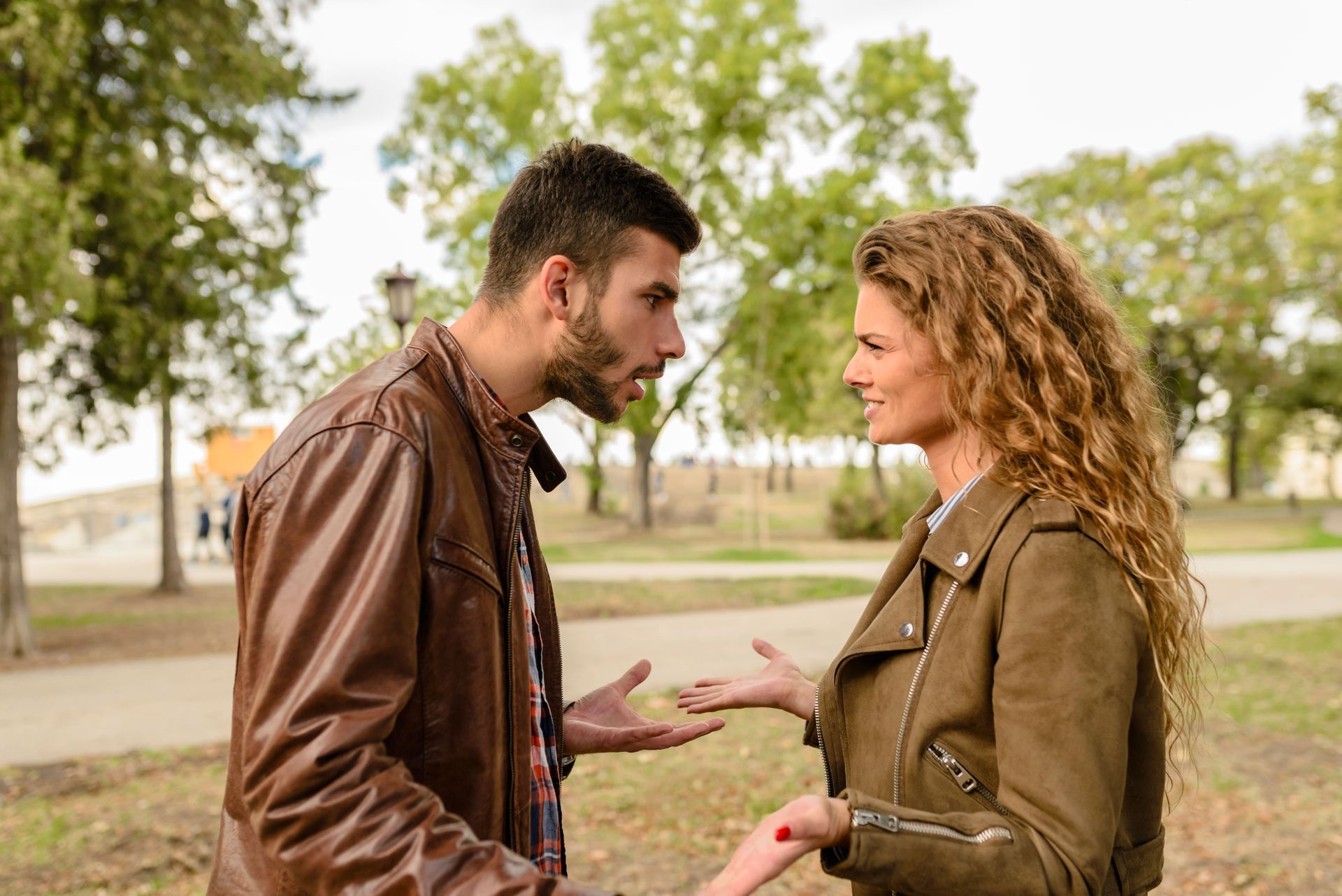
In relationships, disorganized attachment can create a cycle that feels confusing for both partners. The person with this style may move toward their partner with longing, then suddenly withdraw or lash out when closeness triggers old fear. Their partner may feel whiplash, unsure which version of the relationship they will wake up to.
Conflict can feel especially dangerous. A disagreement about something small can quickly feel like a threat to the whole relationship, and the body may respond as if it is fighting for survival. Trust can be hard to build, because part of you is always waiting for betrayal. If trust is the place where your relationship keeps breaking down, you may find it helpful to read about therapy to heal trust issues and rebuild safe connection.
The push-pull cycle: craving closeness and fearing it at once
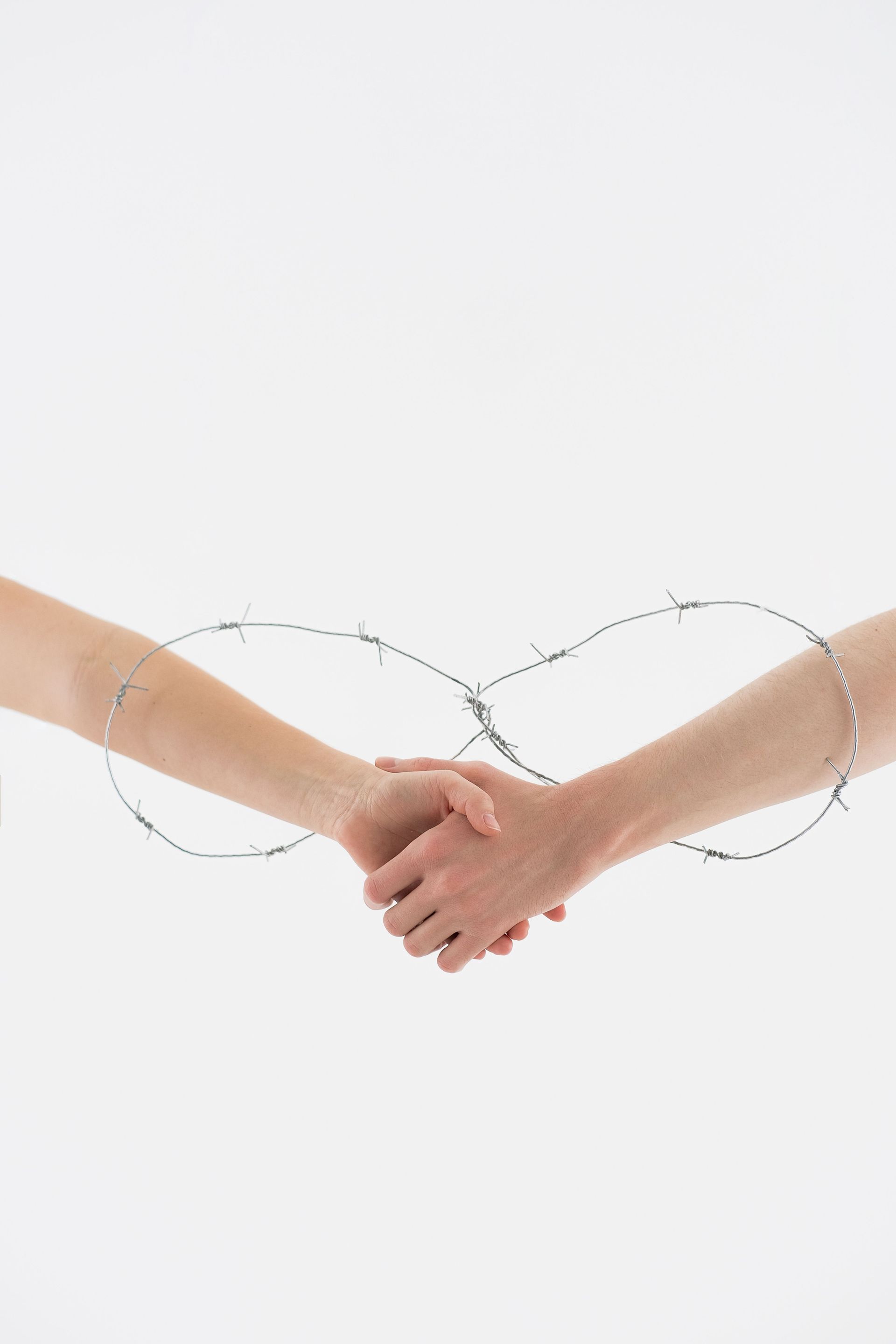
The heart of disorganized attachment is the push and pull. You reach for your partner because you need connection. As they get close, your nervous system senses danger and pushes them away. When they step back, the fear of abandonment rises and you reach again. It can feel like being caught in a storm that keeps changing direction.
This cycle can repeat for years and leave both people hurt and misunderstood. In therapy, naming the cycle out loud is often a turning point. Once you and your partner can see it, you can stop blaming each other and start slowing it down together.
What your partner may be experiencing
If you love someone with disorganized attachment, you may feel like you are walking on eggshells, never sure whether your affection will be welcomed or rejected. It helps to know that the sudden shifts usually have nothing to do with how much they love you. Consistency, calm repair after conflict, and clear communication about when you will be back can slowly teach their nervous system that you are safe. You still deserve support for yourself in this, too.
Is disorganized attachment the same as BPD?
Disorganized attachment and borderline personality disorder share some features, such as intense emotions, fear of abandonment, and unstable relationships. Research does suggest a link between early disorganized attachment and later struggles with emotional regulation. Still, the two are different things. Attachment style describes a pattern of relating that many people carry. Borderline personality disorder is a clinical diagnosis with specific criteria that a qualified professional would need to assess.
Many people with disorganized attachment would never meet criteria for a personality disorder. If you are worried about this, a conversation with a licensed therapist can help you understand what you are experiencing without jumping to labels. What matters most is finding support that helps you feel safer in your body and your relationships.
How do you heal disorganized attachment style?
Healing disorganized attachment is less about fixing yourself and more about teaching your body, slowly, that love and danger are not the same thing. I usually think about it in three layers.
Start with safety in your body
Your nervous system first needs to learn that it can calm down. Slow breathing, grounding through your senses, gentle movement, and noticing the early signs of overwhelm can help you catch yourself before a reaction takes over. The goal is a little more space between the trigger and your response. Because this pattern so often lives alongside constant worry, anxiety therapy can be a helpful place to build those regulation skills.
Get curious instead of ashamed
Get curious about your patterns. What happens right before you pull away? What story do you tell yourself when your partner takes a long time to text back? Curiosity softens shame, and softened shame makes change possible. Some of my clients keep a simple note on their phone after a hard moment: what happened, what I felt in my body, what I was afraid of, what I needed. Over a few weeks, the storm starts to look less random and more like a pattern you can learn to see coming.
Heal in relationship, not alone
Attachment wounds happened in relationship, so they heal in relationship too. Trauma-informed individual therapy lets you gently explore your early experiences, work with the parts of you that learned to fear love, and practice feeling safe in connection one small step at a time. In couples therapy, I help both partners understand the cycle, respond to each other with more care, and build a relationship that feels like a steady home. Earned security is possible, and I have seen it grow in people who once believed love would always hurt.
What if healing your disorganized attachment style meant love could finally feel safe enough to stay?
You have carried so much fear for so long, and it makes sense that love feels complicated. You deserve relationships where you do not have to brace for the next storm. You deserve to rest in someone's arms and trust that they will still be there tomorrow.
At CASA Therapy, I help individuals and couples understand the roots of their attachment patterns and build the emotional safety they never had growing up. Whether you begin on your own or come in with your partner, I will move gently and honor every part of your story.
I offer in person individual therapy in Irvine, CA, and virtual sessions for clients seeking therapy in Aliso Viejo, couples therapy in Lake Forest, and throughout California.

Hi, I´m Dama Pérez
Licensed Marriage and Family Therapist, Certified Grief Educator, and founder of CASA Therapy.
I'm trained in Emotion Focused Therapy for both couples and individuals. I firmly believe that love can be healing when both people are willing to do the work.
Download my free guide