Couples Therapist in Carson City | Marriage Counselor & Premarital Counseling
Alongside couples therapy and individual therapy, my CASA Therapy practice includes attachment based, premarital and Gottman informed work. People come to me wanting honest, steady conversations from home, often carrying more than anyone around them sees. Many are first generation or part of multicultural families, and most are the dependable one everywhere else. Sessions with me are virtual, which suits a town where privacy matters.
Life in the capital tends to run on a quiet rhythm. State offices keep their hours around the Nevada State Capitol on North Carson Street, and the Nevada State Railroad Museum on South Carson Street sits along the same road that most of the town drives every day. Neighbors, coworkers and in laws often overlap in a place this size. Because all of my Carson City work happens by video, with no office here, a session can happen from a kitchen table or a parked car on a lunch break.
In a small capital, a hard season at home can feel like something the whole town might notice. Government careers bring long hours, steady expectations and a habit of keeping things professional, and culture and family loyalty can add another layer of silence. My practice licenses come from Nevada and California, and I add a Certified Grief Educator credential and EFIT and EFT study to them. That background is the foundation of how I help partners understand what is happening between them and decide what comes next, whether that is staying, parting with respect, or still deciding.
How it works and what makes my approach different

Step 1: A thorough intake session

Step 2: Emotionally focused sessions

Step 3: Guided sessions at your own pace
Explore my services and specializations
This is for partners who share a home and still feel like roommates, or who keep having the same argument in a different outfit. In a town where both families are known, it can feel hard to admit that things are off at home.
In sessions I slow the conversation down and listen for the fear under the frustration. Many couples find they stop talking past each other and start asking for what they need. Partners from different cultural backgrounds can find extra support through multicultural marriage counseling.
Over time, conversations between you can become calmer and more honest, whichever way things go.
Individual sessions are for the person who handles everything at work and at home, and rarely gets asked how they are. Over functioning can look like reliability from the outside while it wears a person down.
We look at where the habit of carrying it all began, often in family, culture or an earlier relationship, and practice setting limits that do not come with guilt. If a past relationship still shapes how safe closeness feels, relationship trauma support can be part of that work.
The result is more room to breathe and a clearer sense of what is yours to carry.
Anxious attachment often shows up as a constant need for reassurance, a racing mind when a partner goes quiet, or a habit of reading every pause as distance. It is exhausting for the person feeling it and confusing for the one beside them.
Sessions help trace where that alarm learned to ring so loudly, then build steadier ways to soothe it in the body and ask for closeness directly.
Love starts to feel less like something that could vanish and more like something that can be trusted.
Some couples want practical structure alongside emotional depth: how to argue without wounding, how to repair after a bad night, how to keep friendship alive when work and family fill the calendar.
I look closely at daily habits between you, the small moments of turning toward or away, and we build routines that suit your household rather than a textbook.
Partners often describe talking with more respect, even when life stays busy.
Engaged couples in a place where weddings are partly a community event can feel pressure to look ready more than to be ready. Premarital work gives the two of you a private hour to talk honestly.
Using Emotionally Focused Therapy with the Prepare/Enrich model, we look at money, family roles, faith, children and the traditions each of you wants to keep or change. Those conversations are easier to have before the wedding than after it.
You start the marriage with shared agreements and a habit of turning to each other first.
Fearful avoidant attachment can feel like wanting closeness and pulling away from it in the same breath. People living with it often feel confusing even to themselves, warm one week and guarded the next.
In sessions I move gently, building trust at a pace that feels bearable and learning to notice the moment the body signals danger. Old experiences of unsafe love are treated with care, never rushed.
With time, closeness becomes something that can be allowed rather than something to brace against.
I serve clients in Carson City and nearby areas
Testimonials
Dama's approach to therapy is marked by empathy, insight, and a profound commitment to fostering positive change. I can confidently attest to her exceptional skills and unwavering dedication to the well-being of her clients.
Tammy H., Hyland & Associates
Dama is a colleague & a professional that truly cares about her clients & their therapeutic journey. She is highly skilled in Emotionally Focused Therapy helping individuals & couples navigate & strengthen their emotional connections within relationships.
Jan Covyeau
As a former US military officer, I can see Dama being a great therapist for active-duty members, families, and veterans. I confidently recommend clients to Dama because she cares and has clients' best interests in mind.
Angela Chwe
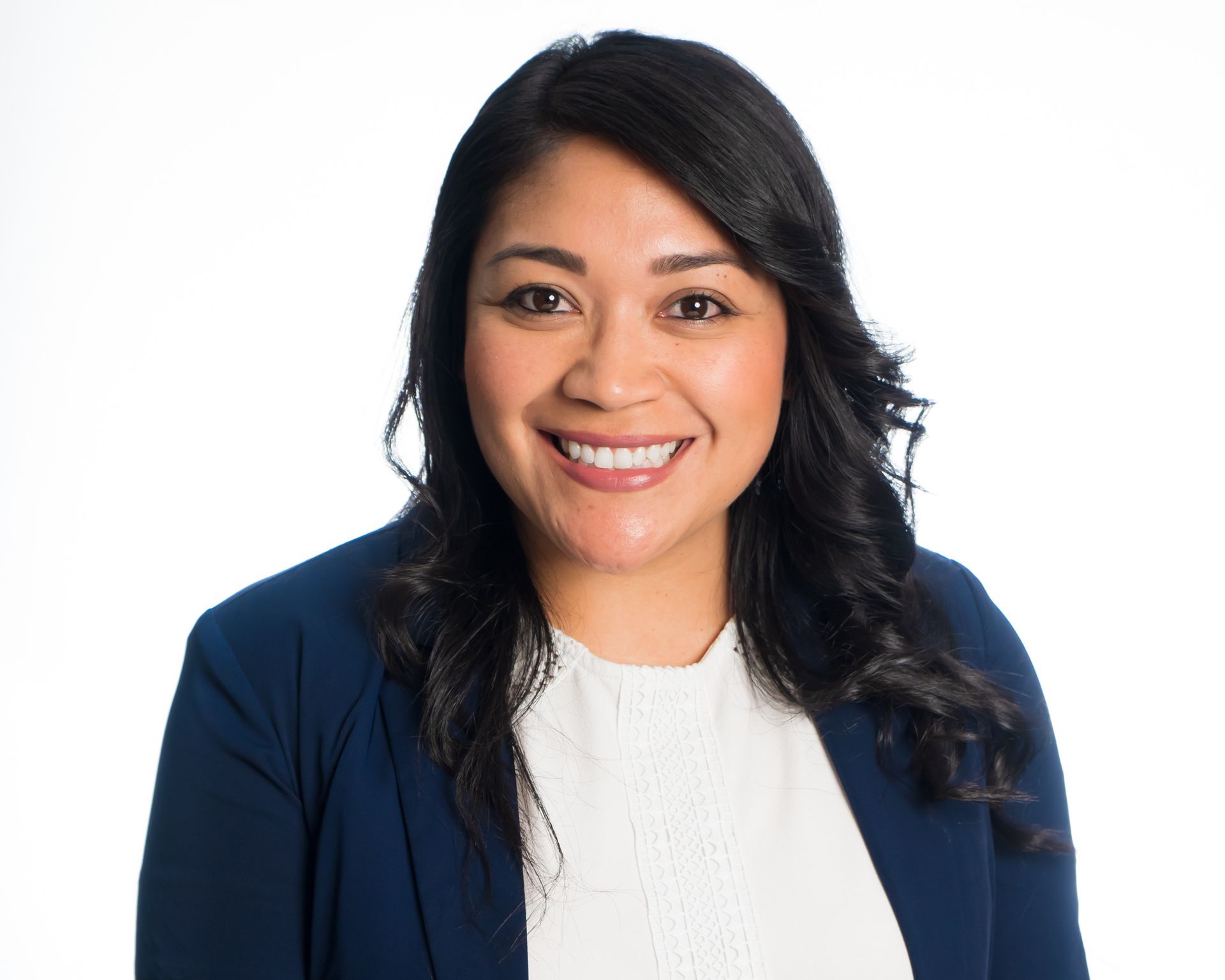
Meet Dama Perez, LMFT, therapist for couples in Carson City
Frequently asked questions about couples therapy in Carson City
Can I use insurance for therapy?
I am currently an out-of-network provider. However, I can provide a superbill for you to submit to your insurance for possible reimbursement. Many PPO plans offer partial reimbursement. Check with your provider to confirm your benefits.
Do you offer a sliding scale?
Yes! I offer two sliding scale spots for clients with financial need. If cost is a concern, please reach out. I'm happy to discuss options during your consultation.
What does the therapy process look like?
We start with an intake session to explore your relationship history, communication patterns, and goals. From there, we’ll meet regularly to uncover deeper emotional patterns, build new tools for connection, and work toward the relationship you want to create. Therapy is always tailored to your unique story and pace.
What if I need to cancel or reschedule a session?
Life happens! I ask for at least 48 hours’ notice for cancellations or reschedules. Sessions canceled with less than 48 hours’ notice may be subject to the full session fee. No-shows or missed appointments without prior notice will be charged the full session rate, as that time is reserved specifically for you.
How does virtual therapy work?
Sessions are held through a secure, HIPAA-compliant video platform. You’ll receive a private link before each session. All you need is a quiet and confidential space, a reliable internet connection, and a device with a camera and microphone.
What if I don’t feel like we’re a good fit?
It’s completely normal to wonder if therapy is the right match for you. Building trust and feeling comfortable with your therapist is essential for meaningful growth. If at any point you feel unsure about our connection or approach, please let me know. We can talk openly about it and decide together whether to adjust our work or explore other options. Your comfort and progress are my top priorities, and I’m here to support you every step of the way whether that means continuing together or helping you find the best path forward.
Good Faith Estimate (No Surprises Act)
This Good Faith Estimate shows the costs of services that are reasonably expected for the expected services to address your mental health care needs. The estimate is based on the information known to us when we did the estimate.
The Good Faith Estimate does not include any unknown or unexpected costs that may arise during treatment. You could be charged more if complications or special circumstances occur. If this happens, federal law allows you to dispute (appeal) the bill.
If you are billed for more than this Good Faith Estimate, you have the right to dispute the bill.
You may contact the contact listed above if billed charges are higher than the Good Faith Estimate. You can request an update to the bill to match the Good Faith Estimate, ask to negotiate the bill, or ask if there is financial assistance available.
You may also start a dispute resolution process with the U.S. Department of Health and Human Services (HHS). If you choose to use the dispute resolution process, you must start the dispute process within 120 calendar days (about 4 months) of the date on the original bill.
There is a $25 fee to use the dispute process. If the agency reviewing your dispute agrees with you, you will have to pay the price on this Good Faith Estimate. If the agency disagrees with you and agrees with the health care provider or facility, you will have to pay the higher amount.
To learn more and get a form to start the process, go to: www.cms.gov/nosurprises or call CMS at 1-800-985-3059.
For questions or more information about your right to a Good Faith Estimate or the dispute process, visit www.cms.gov/nosurprises or call CMS at 1-800-985-3059.
This Good Faith Estimate is not a contract. It does not obligate you to accept the services listed above.