Multicultural Marriage Counseling | CASA Therapy
Two people can love each other and still carry very different ideas about what a marriage should look like. It often shows up around holidays, how involved parents are in decisions, or whose way of handling money and conflict is treated as the normal one.
In case you are new here, I am Dama, LMFT, and CASA Therapy is my practice. Much of my work is couples therapy for partners who grew up with different languages, families and rules about love. This page covers what multicultural marriage counseling is, who it fits, and what working with me looks like. Some couples come to strengthen the marriage, and some come to understand whether it is the right fit.
What is multicultural marriage counseling?
It is couples therapy that treats culture as part of the relationship, not a side note. Each partner brings family expectations and ways of showing care that were learned long before you met. When they collide, the nervous system reads the difference as distance or disrespect, and you both defend instead of reaching. Counseling slows that cycle down so you can understand what sits underneath it.
Most common symptoms of multicultural marriage tension
- Repeating the same family argument: You go back and forth about visits or loyalty and neither of you feels heard. Afterward you both feel more alone.
- Translating yourself constantly: You explain your culture so often that you stop. Small things go unsaid and quietly build.
- Cultural guilt: Saying yes to your family feels like betraying your partner, and the reverse. You feel torn most days.
- Carrying the emotional labor: One of you becomes the bridge to both families. You are worn down and resentful, and it is hard to say why.
- Different ways of handling conflict: One goes quiet to keep the peace while the other needs to talk. Each reads the other as cold or as too much.
How do I know if I may be experiencing multicultural marriage struggles?
Look at patterns over time rather than one hard week. A few questions to sit with:
- Do your fights keep circling back to family or culture? That usually means the real issue has not been named yet.
- Do you feel understood on some topics but not on the ones tied to where you come from? Love and understanding can be uneven.
- Do you edit yourself around your partner or their family? Over time that can feel like losing a piece of who you are.
- Do you pull away when closeness feels risky, or reach harder when your partner withdraws? Some of that is learned attachment, such as anxious attachment or the push and pull of fearful avoidant attachment.
Who this support is for
- Married or committed couples from different cultural, religious or family backgrounds.
- First generation Latinas and professionals of color who feel stretched between two worlds at home.
- Engaged couples who want to talk through cultural expectations, alongside premarital counseling.
- Partners who want to treat each other with more understanding, whether they are building, rethinking or still deciding about the marriage.
It may not be the best fit if there is ongoing abuse or fear for your safety, which needs specialized support first, or if one of you has already decided to leave and wants help with that, where divorce counseling may suit you better.
How I treat multicultural marriage counseling
My philosophy is simple: your culture is not the problem, and neither of you needs to be explained away. I honor both backgrounds and look at the pattern between you rather than assigning blame. My work is emotionally focused, attachment based, culturally rooted, grief informed and trauma informed.
In sessions, I use Emotionally Focused Therapy to help you see the cycle you fall into and what each of you needs underneath it. I add grounding and nervous system tools so hard conversations do not tip into shutdown or escalation. If one of you also wants room for personal patterns or family history, individual therapy can sit alongside. When it fits, I draw on Prepare/Enrich and on ideas from the Gottman Method.
Progress tends to come in small shifts. You may notice the cycle sooner, then find it easier to ask for what you need, set boundaries with family without guilt, and repair after a hard moment. I do not promise a particular outcome.
What working together looks like
In the first session, we talk about what brought you in and what your families and cultures mean to you. There is no pressure to say it perfectly. Sessions are in person at my Irvine office or virtual by video. Most couples start weekly, which is typical rather than a rule, and we adjust as things settle. You both have a say in where we focus.
I offer in person sessions in Irvine and virtual sessions for clients in Irvine, and I also work with people in Newport Beach, Lake Forest and Santa Ana.
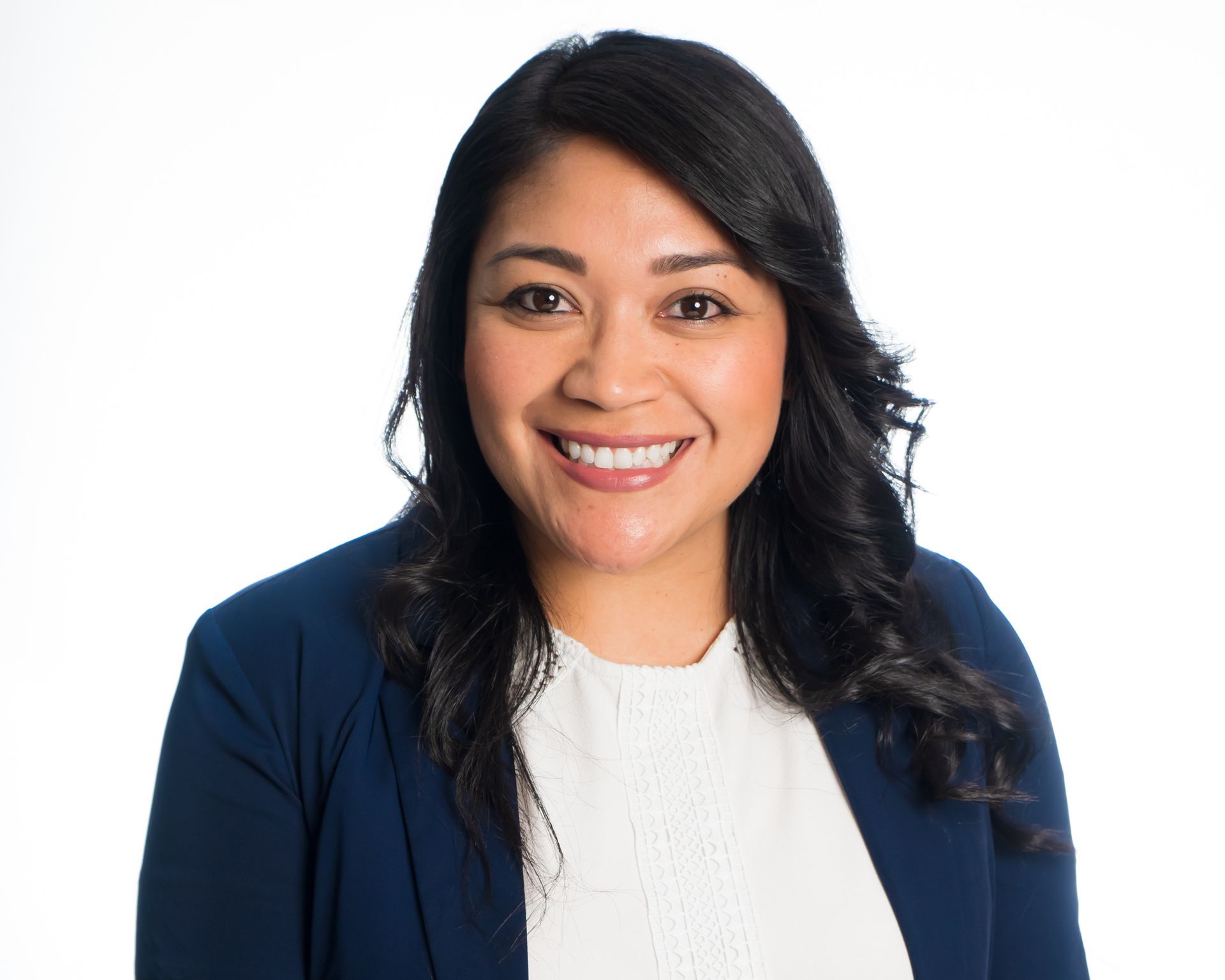
Hi, I'm Dama
Licensed Marriage and Family Therapist, Certified Grief Educator, and founder of CASA Therapy.
I'm trained in Emotion Focused Therapy for both couples and individuals. I firmly believe that love can be healing when both people are willing to do the work.

Step 1: A thorough intake session
We explore your relationship history, your families and cultures, and what each of you hopes love and marriage will look like, along with your strengths as a couple.

Step 2: Emotionally focused sessions
Guided by Emotionally Focused Therapy, we slow down the cycle that shows up when family or culture comes up, so you can talk to each other with more understanding and less defense.

Step 3: Guided sessions toward honoring both backgrounds
We practice setting boundaries with family without guilt and sharing the load more fairly, and we work out which traditions and expectations are yours to keep, whatever that means for your relationship.
Multicultural marriage counselor- Dama Perez, LMFT, Certified Grief Educator, and trained in EFIT and EFT, Emotionally Focused Therapy for couples and individuals.
I founded CASA Therapy to support first generation Latinas, professionals of color and multicultural couples. I work in an emotionally focused, attachment based way that is culturally rooted, grief informed and trauma informed, and I bring nervous system grounding tools into the room so hard conversations feel steadier. With couples from different backgrounds, I help you honor both families and set boundaries without guilt, while never asking either of you to explain your culture away. I believe love should feel safe and that healing is personal and ancestral. I know what it is like. Love can feel like home.
What topics can we work on in multicultural marriage counseling?
- Softening the cycle you fall into when family or culture comes up.
- Naming what each of you expects from marriage and where it differs.
- Setting boundaries with extended family without guilt.
- Sharing the emotional labor more evenly.
- Building traditions that honor both backgrounds.
- Talking honestly about intimacy when it has faded, as in sexless marriage counseling.
Tips and resources for multicultural marriage counseling
- Before a hard family conversation, lengthen your exhale for a minute. A calmer body makes it easier to say what you mean.
- Agree on a pause word for when either of you is flooded, and return to the topic the same day.
- Ask "what does this mean in your family?" before reacting to a habit you do not understand.
- Plan family events together, including how long you will stay and who handles which conversations.
- If worry follows you into the relationship, anxiety therapy can add support on your own.

Get in touch
You deserve support that feels steady and intentional. Inquire for costs, availability and a free discovery call.
FAQ
Is it normal to be nervous before couples therapy?
Yes. Many people worry about being judged or having their culture misunderstood. Tell me in the free consultation, and we will go at a pace that feels steady for you both.
What to do while waiting for couples therapy?
Keep conversations short and calm, and pause when either of you feels overwhelmed. You can each jot down what you most want your partner to understand, then bring it with you.
What are the key techniques used in multicultural counseling?
With couples, I use Emotionally Focused Therapy to map your cycle, grounding tools to settle the body, and open questions about each family's values. The aim is understanding, not deciding whose culture is right.
What are some challenges faced in multicultural counselling?
Common ones include different views on family closeness, roles, money and how to show love, plus guilt about loyalty. Naming them early keeps them from turning into blame.
What are the different models of multicultural counseling?
Several exist, and many therapists blend them. Mine is emotionally focused and attachment based, shaped by culture and family history, with Prepare/Enrich when it suits your stage.