Therapy for Fearful Avoidant Attachment | CASA Therapy
Fearful avoidant attachment, sometimes called disorganized attachment, is a pattern where you want closeness and feel unsure about it at the same time. It can look like answering a text warmly and then going quiet for two days, or feeling relief when a date is canceled right after wishing for time together.
In case you are new here, I am Dama, LMFT, the founder of CASA Therapy, and I offer individual therapy in person or by video. This page covers therapy for fearful avoidant attachment: what it is, how to recognize it and how I work with it.
What is fearful avoidant attachment?
Fearful avoidant attachment is a style where the person who offers comfort also feels like a risk. It often forms when closeness was tied to hurt, unpredictability or loss, so your system learned to want connection and brace against it at once. Your nervous system reads intimacy as both a need and a threat, and it switches between reaching and protecting faster than your thinking mind can follow. It is a protective pattern, not a flaw and not a diagnosis.
Most common symptoms of fearful avoidant attachment
- Hot and cold behavior: You lean in, then withdraw. Inside, closeness feels good and alarming in the same hour.
- Leaving first: You end things or go distant before anyone can leave you. Inside, a quiet belief says it is only a matter of time.
- Going numb in conflict: You shut down or say you are fine. Inside, your body is flooded.
How do I know if I may be experiencing fearful avoidant attachment?
- Do your relationships follow the same arc? Warm beginning, sudden distance, same ending.
- Does your body react first? A tight chest or a flat feeling can show up when a partner asks for more. Constant worry can also overlap with anxiety.
- Do you sometimes chase and sometimes shut down? If you mostly chase, anxious attachment may fit more. Many people see both.
None of this is a label I hand you. These are patterns we look at together.
Who this support is for
- Adults who crave connection and pull away from it.
- Those carrying past hurt, unpredictable caregiving or loss.
- Anyone staying, leaving or still figuring it out.
This may not be the best fit if:
- You are in immediate danger or crisis. Please contact emergency services or call or text 988 first.
- You already know a relationship is ending and want support with that decision. Divorce counseling may fit better.
How I treat fearful avoidant attachment
In therapy for fearful avoidant attachment, I see these patterns as protection that once made sense. I do not try to remove your defenses. We get curious about what they guard. My work is emotionally focused, attachment based, culturally rooted, trauma informed and grief informed.
In sessions I use Emotionally Focused Therapy to slow down the moment you want to move toward someone or away from them, and to find the feeling underneath. I bring grounding and nervous system tools so you can stay present when closeness feels like too much. If you are partnered and want your partner in the room, couples therapy brings the same work to both of you.
Progress is gradual and uneven. At first you may only catch the pull before you act on it. Later you may stay in a hard conversation a little longer or ask for what you need. Setbacks are information.
What working together looks like
Your first session is a conversation about what brought you in and what you hope feels different. Sessions are in person at my Irvine office or virtual by video. Most people start weekly, which is typical rather than a promise, and we adjust as you settle in. I work collaboratively, so tell me when something does not fit.
I offer in person sessions in Irvine and virtual sessions for clients in Irvine, and I also work with people in Aliso Viejo, Fountain Valley and Tustin.
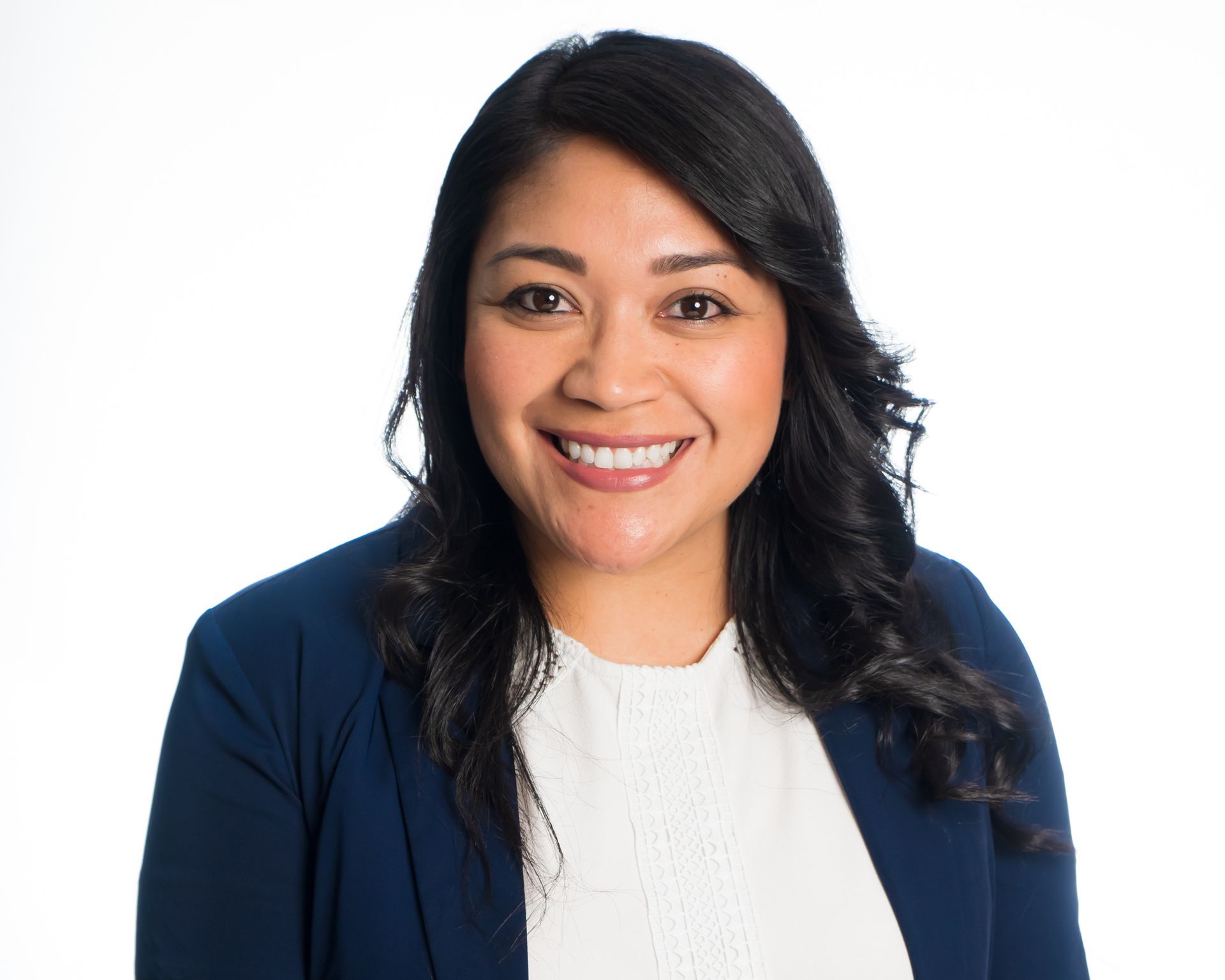
Hi, I'm Dama
Licensed Marriage and Family Therapist, Certified Grief Educator, and founder of CASA Therapy.
I'm trained in Emotion Focused Therapy for both couples and individuals. I firmly believe that love can be healing when both people are willing to do the work.


Step 1: An intake session to understand your patterns
We explore your relationship history, the hurts that taught you to protect yourself, and the strengths you already carry. Questions before we begin are welcome through the contact form.

Step 2: Emotionally focused sessions for your patterns
Using Emotionally Focused Therapy, we slow down your hot and cold moments, name the fear underneath them and practice staying present with closeness at a pace that feels safe.

Step 3: Practice toward steadier trust
We bring what you learn into daily life, building trust and clearer ways of speaking to the people you love, whatever shape your relationships take.
Therapy for fearful avoidant attachment - Dama Perez, LMFT, Certified Grief Educator, and trained in EFIT and EFT, Emotionally Focused Therapy for couples and individuals.
I am the founder of CASA Therapy, and I work with people whose hearts want closeness while their bodies brace against it. My approach is emotionally focused, attachment based, culturally rooted, grief informed and trauma informed. With fearful avoidant patterns, I go slowly. I use nervous system grounding tools so you can stay present, and we practice boundaries without guilt so closeness has room to feel less like a risk. I know what it is like. You do not have to sort it out alone, and you do not have to rush. Love can feel like home.
What topics can we work on in therapy for fearful avoidant attachment?
- Understanding where your push and pull comes from.
- Setting boundaries without guilt.
- Building trust at a pace that feels safe. If marriage is on the horizon, premarital counseling can bring these patterns into the open early. If physical closeness has faded, sexless marriage counseling looks at that together.
Tips and resources for fearful avoidant attachment
- Name the pull to yourself: "Right now I want distance."
- Settle your body first: feet on the floor, a long slow exhale, cold water on your wrists.
- Give a partner a short, true line: "I am overwhelmed and I need a few hours. I am not leaving."

Get in touch
You deserve support that feels steady and intentional. Inquire for costs, availability and a free discovery call.
FAQ
What is avoidant attachment?
Avoidant attachment means managing closeness by keeping distance and relying on yourself. Fearful avoidant adds a strong wish for connection on top of that.
Can two fearful avoidants be together?
Yes, and it can be tender and intense. The risk is that both pull away at once. Naming the pattern and learning repair skills, such as those in Gottman method couples therapy, helps.
What are some signs that an avoidant personality type loves you but is scared?
Warmth followed by distance, small acts of care and hesitation around commitment can all be signs. Fear does not excuse hurtful treatment, so look at consistency over time and how safe you feel.
What is the love language of a fearful avoidant?
There is no official answer. Many people with this pattern relax with patience and low pressure, so ask.
When a fearful avoidant realizes they lost you?
It varies. Some reach out with regret and retreat again. You do not owe anyone a reply. If you are the one cycling, a free consultation is a gentle place to start.