Gottman Method Couples Therapy | CASA Therapy
Gottman method couples therapy is a research backed way of working with the everyday patterns between partners. They show up in small moments: a chore conversation that turns sharp, a text left unanswered, a dinner where you are both present but not together.
In case you are new here, I am Dama Perez, LMFT, founder of CASA Therapy. I offer couples therapy that is emotionally focused, culturally rooted and practical. This page covers how Gottman informed tools fit into that work and how to tell whether it suits you.
What is Gottman method couples therapy?
Drs. John and Julie Gottman developed this approach from decades of research on how couples interact. It looks at friendship, how conflict starts and how partners repair afterward, with habits like answering small bids for attention and raising hard topics gently. It also respects the body: when an argument floods your nervous system, listening becomes close to impossible. I draw on Gottman research inside an emotionally focused, attachment based frame, so the tools land where it feels safe enough to use them.
Most common symptoms of couples conflict and disconnection
- Harsh start ups: a topic opens with blame, and the other person braces before the sentence ends. Every conversation begins on the defense.
- Criticism and contempt: "you always," sarcasm or an eye roll replace the request. You may stop sharing small things because they get mocked.
- Defensiveness and stonewalling: one of you counters, the other goes quiet or leaves the room. Both are coping, and both read it as not caring.
- Missed bids: a small attempt to connect gets a nod toward the phone. Nobody is cruel, yet you both feel a little more alone each week.
- Failed repairs: an apology or joke lands wrong, and arguments linger for days.
How do I know if Gottman method couples therapy may be right for us?
Look for patterns over time, not one bad week.
- Do the same arguments return with different details? Repeated fights usually point to an unmet need underneath.
- Does your friendship feel thinner than it used to? Less curiosity, laughter and teamwork are worth noticing.
- Do your reactions feel bigger than the moment? Sometimes that reflects anxious attachment or fearful avoidant attachment, which can be worked on alongside your relationship.
Who this support is for
- Couples who keep having the same fight and want it to change.
- Partners who are not sure whether to stay and want to talk with respect while they decide.
- Partners who want practical tools, not only insight.
- Multicultural couples whose families taught different ways of handling conflict and respect.
- Engaged couples, often alongside premarital counseling, and parents in blended family counseling.
- Not the best fit right now: couples facing abuse or fear for safety need a different first step, and partners with unresolved relationship trauma may need that care first or alongside. I will tell you honestly.
How I use the Gottman method in couples therapy
Skills only stick with emotional safety. So I pair Gottman informed tools with Emotionally Focused Therapy and attachment based work, with attention to culture, family expectations and grief informed care.
In sessions, I slow your cycle down: how an argument starts, what each of you feels underneath and what each of you needs. I teach grounding and nervous system tools for moments you feel flooded, then we practice softer start ups, noticing bids and repairing in your own words. If one of you wants private space too, individual therapy is available.
Progress comes in layers: calmer arguments first, then more respect and ease between conflicts, then deeper conversations. It is not a straight line, and I do not promise a particular result.
What working together looks like
In the first session, we talk about what brought you in and what you each hope changes. Sessions are in person at the Irvine office or virtual by video. Weekly sessions are typical to start, then we adjust together, and you have a say in the pace.
I offer in person sessions in Irvine and virtual sessions for clients in Irvine, and I also work with people in Newport Beach, Lake Forest and Santa Ana.
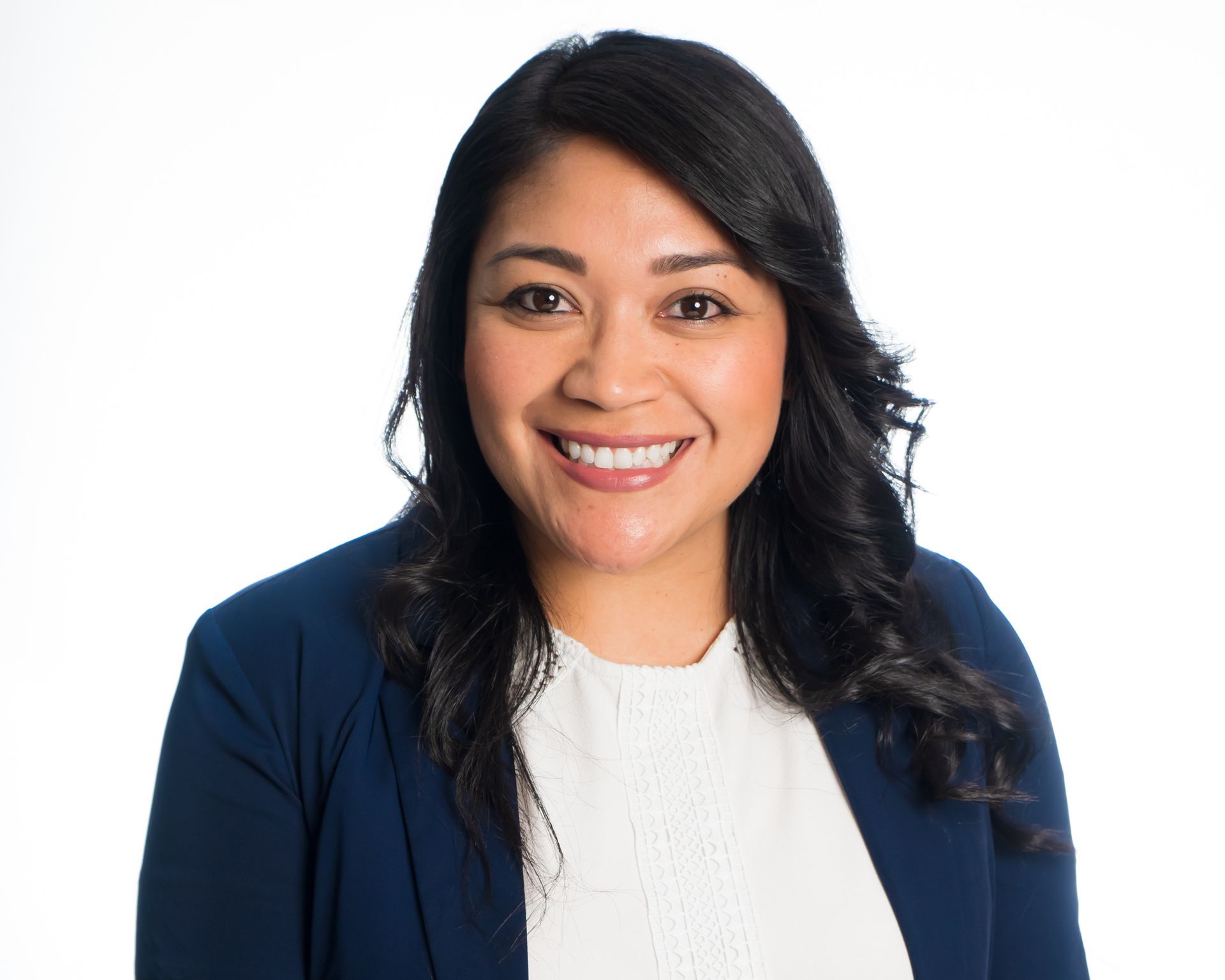
Hi, I'm Dama
Licensed Marriage and Family Therapist, Certified Grief Educator, and founder of CASA Therapy.
I'm trained in Emotion Focused Therapy for both couples and individuals. I firmly believe that love can be healing when both people are willing to do the work.

Step 1: A thorough intake session
We explore your relationship history, your cultural and family backgrounds and the argument you keep having, along with the strengths you each bring.

Step 2: Emotionally focused sessions
Guided by Emotionally Focused Therapy, we slow down the cycle between you and practice starting hard conversations in a way each of you can hear. I add practical tools informed by Gottman research for calming your body and answering each other's bids.

Step 3: Guided sessions to practice repair
We practice repair that fits your humor, culture and language, and we work on how you treat each other when things get hard. Where the relationship goes from there stays your decision.
Gottman method couples therapist- Dama Perez, LMFT, Certified Grief Educator, and trained in EFIT and EFT, Emotionally Focused Therapy for couples and individuals.
I am the founder of CASA Therapy, and I work with couples stuck in the same argument, whether they are staying, leaving or still figuring it out. My approach is emotionally focused, attachment based, culturally rooted, grief informed and trauma informed. I bring in practical tools informed by Gottman research, along with nervous system grounding tools and boundaries without guilt, so what we practice fits your life, your family and your culture. I know what it is like to carry too much for too long. Love can feel like home.
What topics can we work on in Gottman method couples therapy?
- Starting hard conversations in a way your partner can hear.
- Noticing and answering each other's bids.
- Calming your body when an argument floods you.
- Building repairs that fit your humor, culture and language.
- Sharing emotional labor more fairly.
- Repairing trust and respect in how you treat each other, whichever way you decide to go.
Tips and resources for Gottman method couples therapy
- Take a break when flooded. Agree on a phrase like "I need twenty minutes," and return when you said you would.
- Lead with one feeling and one request: "I felt alone tonight and I would like ten minutes together."
- Lengthen your exhale before you reply. It tells your body the moment is not an emergency.
- If worry drives your reactions, anxiety therapy can support you separately.
- For a plain overview, read this introduction from the Gottman Institute.

Get in touch
You deserve support that feels steady and intentional. Inquire for costs, availability and a free discovery call.
FAQ
What not to say in couples therapy?
Character attacks like "you always" or threats to leave made in the heat of the moment tend to shut a conversation down. You will not be graded on your wording; if something comes out sharp, we look at what sat underneath it.
What is the Gottman Repair Checklist?
A list of simple phrases couples use to cool a conversation, like asking to start over or saying you feel defensive. We shape your own versions in the words you use at home.
What are the red flags of the Gottman method?
Usually this means the Four Horsemen: criticism, contempt, defensiveness and stonewalling. They are patterns, not verdicts. A red flag in any therapist is a promised outcome, and I do not make one.
What are the flaws of the Gottman method?
A structured model can feel clinical and does not alone account for culture, family roles, grief or trauma, so I pair it with emotionally focused, culturally rooted care. It is also not designed for relationships where someone is unsafe.
What is the Gottman 6 hour rule?
The idea that small habits of connection, like a real goodbye, appreciation or a weekly date, add up to about six hours a week. Treat it as a guide, not a requirement.