Anxious Attachment Therapy | CASA Therapy
Anxious attachment therapy is support for people whose nervous system reads distance in love as danger. It can look like checking your phone when a text sits unanswered, replaying your partner's tone from dinner, or apologizing first just to end the tension.
In case you are new here, I am Dama, LMFT, and CASA Therapy is the practice I built for people who want love to feel steady. Much of this work happens in individual therapy, and this page covers what anxious attachment is, how it shows up, how I work with it and what reaching out looks like.
What is anxious attachment therapy?
Anxious attachment is a pattern of closeness that often forms when care felt inconsistent, or when love had to be earned by being helpful and quiet. The body learns to scan for distance and sound the alarm early. In a relationship, that can push you toward reassurance, testing or silence, and your partner feels the pressure without seeing what sits underneath. Therapy slows the alarm down, names the need beneath it and helps you ask for closeness clearly.
Most common symptoms of anxious attachment
- Reassurance seeking: asking "are we okay?" several times a week, then feeling relief that fades by the next quiet evening.
- Overthinking messages: rereading a text, drafting and deleting replies, and reading meaning into punctuation while sleep suffers.
- Protest behaviors: going cold or sending a long late night message to get a response, then feeling regret.
- Fear of abandonment: a small change in tone feels like the start of an ending, even with no sign your partner is leaving.
- Losing yourself: dropping plans and opinions to keep the peace, then feeling resentful or unrecognizable.
How do I know if I may be experiencing anxious attachment?
Look at patterns over months, not one hard week.
- Do certain silences feel louder than words? Notice whether a delayed reply sends your mind to the worst case.
- Do you want closeness and also brace for it to be taken away? Pulling toward people and fearing them at once may point to fearful avoidant attachment instead.
- When intimacy slows down, do you assume it is about you? That can tangle with sexless marriage counseling concerns.
- Does the same fear show up with different partners? A pattern that travels with you usually started before this relationship.
Who this support is for
This may be a strong fit if:
- You are tired of holding everything together and want to feel less alarmed in love, whether you are staying, leaving or still deciding.
- You are a first generation daughter or son who learned that love meant sacrifice, and you are ready to ask for more.
- You are engaged and want steadier ground through premarital counseling.
It may not be the best fit if:
- Your worry shows up everywhere, not only in love. Anxiety therapy may be a better place to begin.
- You are being hurt or controlled in your relationship. Safety comes first, and we would talk about that before anything else.
How I treat anxious attachment
My philosophy is simple: your fear makes sense. It was learned with real people, often inside a family and culture that asked you to stay close and stay quiet. I do not argue you out of it. I meet it with respect, then build something steadier.
In sessions, I use Emotionally Focused Therapy and attachment based work to slow down the moments when the alarm goes off and find the need underneath. I add grounding and nervous system tools so you can settle your body before you speak or send the message. The work is trauma informed and grief informed, because old losses often sit behind current fears. If you and your partner want to work on this together, couples therapy uses the same attachment lens.
Progress arrives in small moments. You notice the alarm sooner, pause before the third text and ask for what you need in plain words. Over time, security becomes something you carry, not something you wait to be given. Some people come to see more clearly whether to stay, and steadier ground lets that decision be yours instead of the alarm's.
What working together looks like
Anxious attachment therapy with me starts with a conversation about what brought you here and what you want love to feel like. There is no pressure to tell your whole story at once. Sessions are in person at the Irvine office or virtual by video. Most people begin weekly, which is typical and not a promise. I work collaboratively: you know your life, and I bring structure, honest reflection and tools for between sessions.
I offer in person sessions in Irvine and virtual sessions for clients in Irvine, and I also work with people in Tustin, Costa Mesa and Newport Beach.
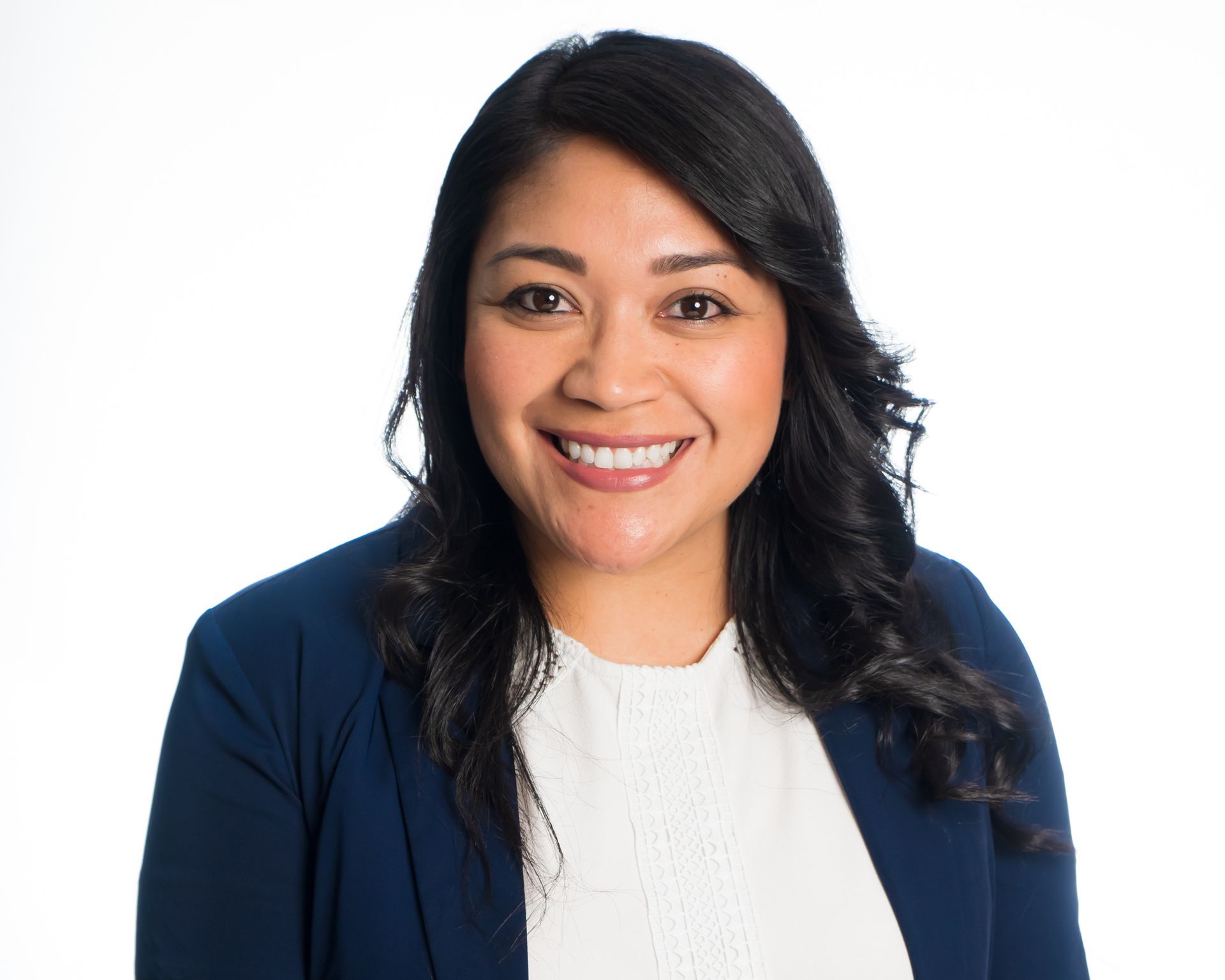
Hi, I'm Dama
Licensed Marriage and Family Therapist, Certified Grief Educator, and founder of CASA Therapy.
I'm trained in Emotion Focused Therapy for both couples and individuals. I firmly believe that love can be healing when both people are willing to do the work.

Step 1: A thorough intake session to map your patterns
We start by exploring your relationship history, the family and cultural messages you grew up with, and the moments when the alarm goes off, along with the strengths you already have.

Step 2: Emotionally focused sessions
Using Emotionally Focused Therapy, we slow down the alarm, find the need underneath it and practice asking for it in plain words. We add grounding tools so your body can settle before you speak or send the message.

Step 3: Guided sessions toward steadier security
We deepen the practice with boundaries, old grief and the difference between a real red flag and an old alarm. Security becomes something you carry, and any decision about your relationship becomes yours.
Anxious attachment therapist - Dama Perez, LMFT, Certified Grief Educator, and trained in EFIT and EFT, Emotionally Focused Therapy for couples and individuals.
I am the founder of CASA Therapy, and I built it for people who want love to feel steady. My work is emotionally focused, attachment based and culturally rooted, and it is grief informed and trauma informed too. With anxious attachment, that means we slow the alarm down together, use nervous system grounding tools to settle your body, and practice boundaries without guilt. I know what it is like, and I hold your story with care, not judgment. You do not have to carry it alone. Love can feel like home.
What topics can we work on in anxious attachment therapy?
- Soothing your body when a partner is distant, busy or unreachable.
- Asking for reassurance once, clearly, instead of through tests or protest.
- Understanding where your fear of being left was first learned.
- Setting boundaries without guilt, including with family.
- Telling the difference between a real red flag and an old alarm.
- Making a clear choice about the relationship, including when that means divorce counseling and an ending handled with care.
Tips and resources for anxious attachment
- Wait ten minutes before sending the second message. Stand up, drink water and press your feet into the floor first.
- Name the feeling in one sentence before you speak: "I am afraid we are drifting." It lands softer than an accusation.
- Ask for one specific thing, such as a call at lunch, instead of general proof that you matter.
- Keep one plan each week that belongs only to you, so your calm is not tied to your partner's schedule.
- Lengthen your exhale for a minute when your chest tightens. A longer breath out tells the body it can stand down.

Get in touch
You deserve support that feels steady and intentional. Inquire for costs, availability and a free discovery call.
FAQ
What are the differences between anxious and avoidant attachment?
Anxious attachment moves toward a partner when it feels threatened, through contact and reassurance. Avoidant attachment moves away, through space and independence. Both are ways the body learned to protect itself, and neither is a flaw.
What is preoccupied attachment style?
Preoccupied is another name for anxious attachment. It describes a mind that stays busy with the relationship, scanning for distance and wondering whether you are loved enough. It can soften with the right support.
Can anxious attachment ruin a relationship?
It can strain one, especially when fear turns into constant checking and your partner starts to feel watched. Fear alone does not decide how a relationship goes, and understanding the pattern helps you treat each other with more care, whatever you decide. Some couples add practical communication skills through Gottman Method couples therapy alongside this work.
How do anxious attachment people show love?
Often through attention and generosity: remembering details, checking in, giving more than they ask for. That care is real. The hard part is when giving becomes a way to keep someone close.
Who is the best partner for an anxious attachment style?
Someone steady, honest and willing to respond when you reach for them. Still, the skills matter more than the match, and many people build security through their own work first.