Blended Family Counseling | CASA Therapy
Merging two households into one rarely follows a schedule. It shows up when a stepchild skips dinner, when one of you disciplines and the other goes quiet, or when a holiday has to fit two sets of grandparents and an ex.
In case you are new here, I am Dama, LMFT, and I run CASA Therapy. I work with partners through couples therapy that is emotionally focused and culturally rooted. This page explains what blended family counseling is, how to tell if it fits, and what working with me looks like.
What is blended family counseling?
Blended family counseling is therapy for couples joining their lives after divorce, separation, loss or a new partnership, often with children from earlier relationships. I look at how each of you responds under stress, how loyalty to children, exes and parents pulls on you, and how your nervous systems react when the house feels tense. When two cultures are involved, I make room for different ideas about discipline and respect, as in multicultural marriage counseling.
Most common symptoms of blended family stress
- Arguing about parenting: one of you steps in while the other bristles, and you both end up feeling unsupported.
- Feeling like an outsider: a stepparent hovers at the edge of family moments and quietly pulls back at home.
- Divided loyalty: a parent feels torn between partner and children, and turns tense, defensive or silent.
- Resentment about the ex: schedule changes or money questions set off fights bigger than the topic.
- Little couple time: dates stop, the relationship becomes logistics, and closeness fades without anyone deciding it should.
How do I know if I may need blended family counseling?
Look at patterns over months, not one hard week.
- Do the same fights return whenever the children are involved? A repeating cycle often points to an unmet need underneath.
- Does one of you feel they always have to choose? Feeling chosen matters to partners and kids alike.
- Do old fears of not being enough get louder at home? Anxious attachment patterns may be part of the picture.
- Does one of you pull away when things heat up? That protective distance is explored in therapy for fearful avoidant attachment.
Who this support is for
- Couples living with stepchildren or children from earlier relationships.
- Partners who disagree about discipline, roles or how fast to bond with each other's children.
- Partners who are unsure whether they will stay together and want things to stay respectful for the children.
- Couples planning to marry who already have children, who may also like premarital counseling.
- Not the best fit for now: families in crisis who need emergency services, or anyone who does not feel physically safe at home.
- Not the best fit for now: worry that mostly affects daily life, where anxiety therapy may come first, or betrayal in a past relationship that needs its own space, as in relationship trauma work.
How I approach blended family counseling
A family feels like home when the adults feel safe with each other first. I use Emotionally Focused Therapy to look at the emotional cycle between partners, not only the behavior on top. Attachment based work, culturally rooted conversation and grief informed care shape how I listen, because stepfamilies carry loss: a former marriage, a former routine, a family you pictured.
In sessions, I slow down the moments that usually spiral. Each of you gets room to say what is underneath the argument, and I teach grounding and nervous system tools so you can stay present instead of shutting down or escalating. We also work on boundaries without guilt. If one of you wants space for your own history, I can draw on individual therapy.
Progress comes in small shifts. An argument ends sooner, a repair happens faster, someone names a need out loud. Repair may mean steadier teamwork or a respectful separation, and I do not steer toward either. I do not promise a timeline or outcome, and we move at a pace your family can hold.
What working together looks like
In the first session, we talk about your family, what brought you in and what you each hope will change. Sessions are in person at the Irvine office or virtual by video. Most couples begin weekly, which is typical, not a rule. I work collaboratively, so you always know what we are doing and why.
I offer in person sessions in Irvine and virtual sessions for clients in Irvine, and I also work with people in Aliso Viejo, Fountain Valley and Tustin.
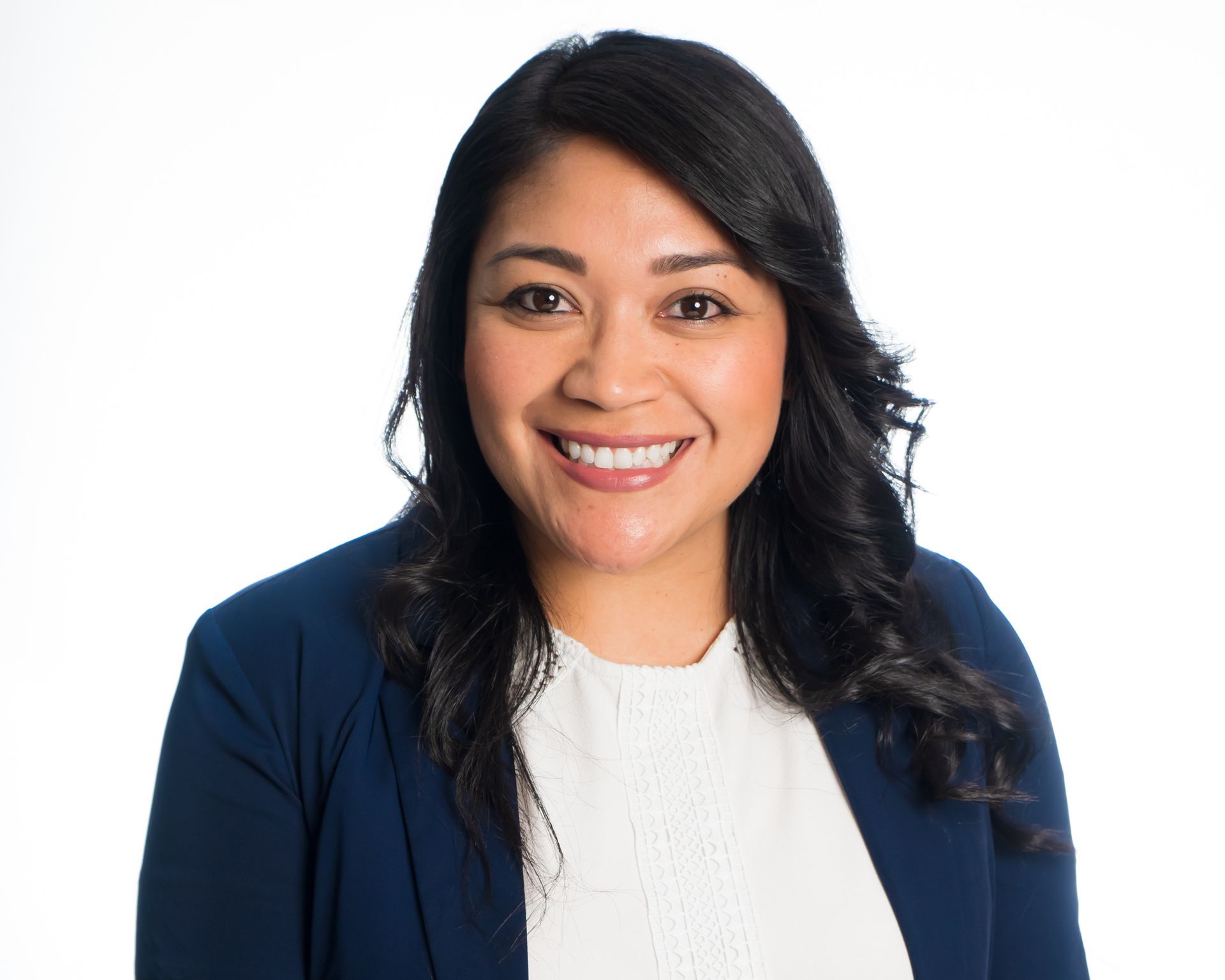
Hi, I'm Dama
Licensed Marriage and Family Therapist, Certified Grief Educator, and founder of CASA Therapy.
I'm trained in Emotion Focused Therapy for both couples and individuals. I firmly believe that love can be healing when both people are willing to do the work.

Step 1: A thorough intake session for your family
We explore your relationship history, the families you each came from and the traditions and expectations each household carries, along with your strengths as a couple.

Step 2: Emotionally focused sessions
We use Emotionally Focused Therapy to look at the cycle between you around parenting, loyalty and feeling like an outsider, and to strengthen communication and trust.

Step 3: Guided sessions toward a shared home
We work through the stepparent role, co parenting, holidays and boundaries with clarity, so you can decide together what kind of home you want and how you treat each other along the way.
Blended family counseling - Dama Perez, LMFT, Certified Grief Educator, and trained in EFIT and EFT, Emotionally Focused Therapy for couples and individuals.
I am the founder of CASA Therapy, and I work with couples who are bringing two families together. My approach is emotionally focused, attachment based, culturally rooted, grief informed and trauma informed. In blended family work, that means I help you and your partner treat each other with more care and decide how to move forward while honoring the loyalties and cultures each of you carries. I use nervous system grounding tools and we practice boundaries without guilt. I know what it is like, and I bring that understanding into the room without judgment. Love can feel like home.
What topics can we work on in blended family counseling?
- A united parenting approach both of you can stand behind.
- The stepparent role, paced to respect the children.
- Boundaries with exes and extended family, without guilt.
- Room for grief about the family each person lost.
- Couple time that does not turn into logistics.
- Traditions, languages and holidays that give every culture a place.
Tips and resources for blended family life
- Pause before reacting in a parenting moment. Breathe out slowly and ask your partner for five minutes.
- Let the biological parent lead discipline while the stepparent builds connection through small, steady routines.
- Agree on two or three household rules together, away from the kids.
- Protect ten minutes a day as a couple where logistics are off limits, and read about repair in Gottman Method couples therapy.

Get in touch
You deserve support that feels steady and intentional. Inquire for costs, availability and a free discovery call.
FAQ
How often do blended families work?
I will not give you a number, because every family is different. Families tend to do better when the couple feels supported and everyone has time to adjust.
How long does it take for blended families to adjust?
There is no set timeline. Children, past losses and schedules all affect the pace, and many families need seasons, not weeks.
When to call it quits in a blended family?
I will not tell you what to decide. Therapy can bring clarity about what is happening and what you want. Whether you are staying, leaving or still figuring it out, we take it one honest conversation at a time.
What are some things a stepparent should avoid doing?
Stepparents often struggle when they discipline too soon, compete with the other household or take rejection personally. Slower connection, with your partner backing you up, usually helps.
How can I effectively deal with difficult family members?
Start with what you can control: your boundaries, your tone and what you share. Many of my clients carry expectations about respecting elders, so we find ways to honor family while protecting your home.