Couples Therapist in Henderson | Marriage Counselor & Premarital Counseling
Many of the people I see live in Henderson, Nevada, whether that means two people in couples therapy, one person in individual therapy, or an engaged pair preparing for marriage, always with attachment based care and a Gottman informed lens. I am Dama Perez of CASA Therapy, and everything I do for Nevada happens over video. The people who write to me are often Latinas shouldering a family's hopes, professionals of color, or partners from blended cultures, all of them settled on paper and quietly lonely at home in a way nobody outside can see.
Settled routines define much of the city, from the school drop offs and weekend errands around Green Valley Ranch to evening walks in Inspirada and gatherings along Water Street in the downtown district. Many residents drive in from the east side of the valley or study at Nevada State University, and a lot of them are building something for the family that came before them. Because I meet clients on video from my Irvine, California practice, a session fits into a lunch hour, a quiet living room or a parked car after work, with no office in Henderson and no freeway to sit in.
The pressures here tend to be familiar ones: being the responsible one in the family, holding two cultures at the dinner table, and carrying the emotional work of the household without anyone naming it. Silence can pass for peace for years before it starts to feel like loneliness. Behind my work sit a Certified Grief Educator credential and EFIT training plus EFT training, which are the Emotionally Focused models for partners and for single clients. My LMFT licenses in both states are active.
How it works and what makes my approach different

Step 1: Intake and early grounding

Step 2: Emotionally focused sessions

Step 3: Guided sessions and room to keep growing
Explore my services and specializations
This is for partners who love each other and keep landing in the same argument, or who have gone quiet to avoid one. Often one person carries the planning, the feelings and the family calendar while the other feels criticized or shut out.
Sessions slow the cycle down so each person can say what sits underneath the anger or the silence. Many couples find relief in being understood rather than managed. That matters when two cultures and two sets of family expectations share one household. Sometimes the distance reaches the bedroom too, and sexless marriage counseling gives that a respectful, unhurried place to be talked about.
Over time the tone at home often softens, and conversations feel more respectful, whichever way the relationship goes.
Many of the women I hear from are the dependable ones, the first in the family to graduate, buy a home or hold a title. They are good at helping everyone else and rarely stop to ask what they feel.
We talk about overfunctioning, guilt around boundaries, grief that never got its moment and the weight of being the strong one. When a marriage is ending or in question, divorce counseling helps sort through the decision with less pressure and more clarity.
Clients often describe feeling lighter, with more room to rest and to choose for themselves.
This is for people who feel a spike of panic when a text goes unanswered or a partner seems far away. They check, reassure themselves and often apologize for needing closeness at all.
In session I trace where that alarm began, often in early family life, and how it plays out now. We practice putting words to the fear instead of acting from it. Grounding skills give the body a way to settle before the mind catches up.
Many people find love starts to feel less like a test they might fail and more like something they are allowed to keep.
Couples who prefer something practical often want to know what actually changes at home. This approach looks closely at how partners talk, handle conflict and show care in daily life.
I pay attention to the small moments that build trust, such as how a disagreement starts, how it cools down and how a repair is offered. Alongside that research backed structure sits the emotional work of understanding why certain words land so hard.
Couples often leave sessions with a clearer picture of their own patterns and a few steady habits to practice between meetings.
Engaged couples in Henderson are often planning a wedding while two families share opinions about everything. The conversations that matter most, about money, children, faith, in laws and who does what, can get lost beneath the planning.
I use Emotionally Focused Therapy with the Prepare/Enrich model, so couples get both a structured look at their strengths and honest talk about where they differ. Couples from different cultural backgrounds often find this the first time those differences are spoken about calmly and out loud.
Couples tend to start married life knowing each other better and feeling more prepared to face disagreements together.
Some people want closeness badly and then feel the urge to pull away the moment it arrives. They can look warm one week and distant the next, and neither they nor their partner understands why.
I approach this with patience and no judgment, since the pattern usually began as protection. Sessions follow the push and pull, notice what the body does when intimacy rises and build trust at a pace that feels bearable.
Relationships begin to feel less like a choice between safety and love, and more like a place where both can exist.
I serve clients in Henderson and nearby areas
Testimonials
Dama's approach to therapy is marked by empathy, insight, and a profound commitment to fostering positive change. I can confidently attest to her exceptional skills and unwavering dedication to the well-being of her clients.
Tammy H., Hyland & Associates
Dama is a colleague & a professional that truly cares about her clients & their therapeutic journey. She is highly skilled in Emotionally Focused Therapy helping individuals & couples navigate & strengthen their emotional connections within relationships.
Jan Covyeau
As a former US military officer, I can see Dama being a great therapist for active-duty members, families, and veterans. I confidently recommend clients to Dama because she cares and has clients' best interests in mind.
Angela Chwe
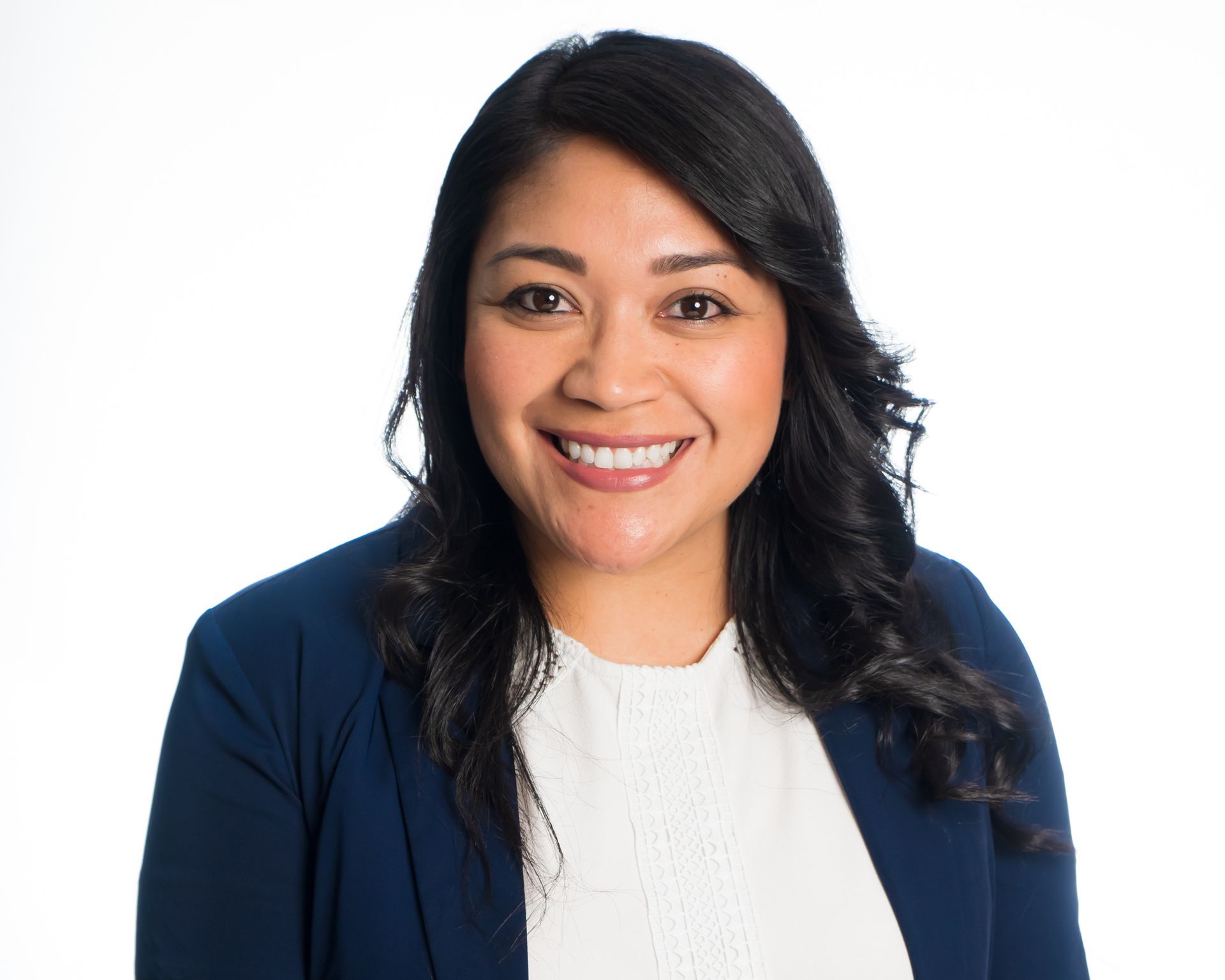
Meet Dama Perez, LMFT, online couples therapist for Henderson
Frequently asked questions about couples therapy in Henderson
Can I use insurance for therapy?
I am currently an out-of-network provider. However, I can provide a superbill for you to submit to your insurance for possible reimbursement. Many PPO plans offer partial reimbursement. Check with your provider to confirm your benefits.
Do you offer a sliding scale?
Yes! I offer two sliding scale spots for clients with financial need. If cost is a concern, please reach out. I'm happy to discuss options during your consultation.
What does the therapy process look like?
We start with an intake session to explore your relationship history, communication patterns, and goals. From there, we’ll meet regularly to uncover deeper emotional patterns, build new tools for connection, and work toward the relationship you want to create. Therapy is always tailored to your unique story and pace.
What if I need to cancel or reschedule a session?
Life happens! I ask for at least 48 hours’ notice for cancellations or reschedules. Sessions canceled with less than 48 hours’ notice may be subject to the full session fee. No-shows or missed appointments without prior notice will be charged the full session rate, as that time is reserved specifically for you.
How does virtual therapy work?
Sessions are held through a secure, HIPAA-compliant video platform. You’ll receive a private link before each session. All you need is a quiet and confidential space, a reliable internet connection, and a device with a camera and microphone.
What if I don’t feel like we’re a good fit?
It’s completely normal to wonder if therapy is the right match for you. Building trust and feeling comfortable with your therapist is essential for meaningful growth. If at any point you feel unsure about our connection or approach, please let me know. We can talk openly about it and decide together whether to adjust our work or explore other options. Your comfort and progress are my top priorities, and I’m here to support you every step of the way whether that means continuing together or helping you find the best path forward.
Good Faith Estimate (No Surprises Act)
This Good Faith Estimate shows the costs of services that are reasonably expected for the expected services to address your mental health care needs. The estimate is based on the information known to us when we did the estimate.
The Good Faith Estimate does not include any unknown or unexpected costs that may arise during treatment. You could be charged more if complications or special circumstances occur. If this happens, federal law allows you to dispute (appeal) the bill.
If you are billed for more than this Good Faith Estimate, you have the right to dispute the bill.
You may contact the contact listed above if billed charges are higher than the Good Faith Estimate. You can request an update to the bill to match the Good Faith Estimate, ask to negotiate the bill, or ask if there is financial assistance available.
You may also start a dispute resolution process with the U.S. Department of Health and Human Services (HHS). If you choose to use the dispute resolution process, you must start the dispute process within 120 calendar days (about 4 months) of the date on the original bill.
There is a $25 fee to use the dispute process. If the agency reviewing your dispute agrees with you, you will have to pay the price on this Good Faith Estimate. If the agency disagrees with you and agrees with the health care provider or facility, you will have to pay the higher amount.
To learn more and get a form to start the process, go to: www.cms.gov/nosurprises or call CMS at 1-800-985-3059.
For questions or more information about your right to a Good Faith Estimate or the dispute process, visit www.cms.gov/nosurprises or call CMS at 1-800-985-3059.
This Good Faith Estimate is not a contract. It does not obligate you to accept the services listed above.