Couples Therapist in Laguna Hills | Marriage Counselor & Premarital Counseling
Partners who keep one home and one calendar yet have grown quiet together tend to find their way to my couples therapy, individual therapy, and attachment based, premarital and Gottman informed work at CASA Therapy. Much of my caseload is Latina women raised straddling two worlds, working people of color in demanding careers, and pairs whose families come from different places, mostly in their late twenties through their forties. Many look settled from the outside. I work with them on what does not show, the distance at the dinner table and the tiredness no one has named. Some are staying, some are leaving, and some are still deciding, and the work meets each of them there.
Life in this part of South Orange County keeps a steady pace, with school pickups, weekend games at the Laguna Hills Community Center on Alicia Parkway, and the slow drive on Interstate 5 at the end of the day. Many households live near Laguna Hills High School and a short distance from Saddleback Medical Center, a place families know for births and for harder seasons alike. I see clients in person at my Irvine office, a straight drive up the freeway, or by video from their own living rooms, whichever fits the week.
In quiet neighborhoods, strain tends to stay indoors. Women carry the emotional labor of two families and rarely say how heavy it has become. Partners hold different ideas about loyalty, money and what a mother in law may expect. Grief, anxiety and old attachment wounds sit under a polite surface. Marriage and family therapy is the field of my Nevada and California licenses, and I also hold a grief educator certificate and have completed EFIT and EFT training.
How it works and what makes my approach different

Step 1: A thorough intake session

Step 2: Emotionally focused sessions

Step 3: Guided sessions for everyday practice
Explore my services and specializations
This work is for couples who still share a house and a routine but feel more like roommates than partners. Conversations end early, small things turn sharp, and a lot goes unsaid to keep the peace. Many are first generation partners balancing two sets of family expectations.
In sessions we slow the cycle down and listen for what sits under the frustration, usually a wish to matter to each other. Partners often feel relief when they can say a hard thing without it becoming a fight. Intimacy that has gone quiet is part of that conversation, and sexless marriage counseling speaks to it directly.
I also make room for culture and family, the holidays, the in laws, the unspoken rules about who does what. Those details deserve honest attention, not a quick fix.
Some people in this community are the dependable one at work and at home, and the one nobody checks on. Over functioning can look like strength for years before it starts to feel like exhaustion. Anxiety, resentment and grief often live right beside it.
Individual sessions give that person a place to put the load down and hear their own thoughts. We look at where the habit of carrying everything began, often in family roles learned early. When a marriage is ending or already over, divorce counseling offers support for the grief and the decisions that come with it.
The aim is not to become someone else. It is to live with clearer limits and a calmer body, while staying rooted in the family and culture that shaped you.
Anxious attachment often shows up as checking the phone, replaying a tone of voice, or needing reassurance that never quite lasts. People who live this way are often warm, attentive and tired from scanning for signs of distance. In close families, that watchfulness can start early.
In sessions we trace where the worry learned its shape and what it is trying to protect. Many clients notice the alarm lowering when they can ask for closeness plainly instead of testing for it. The work is steady and gentle, and it moves at the pace the nervous system allows.
Partners are welcome to join when it helps, so the pattern is understood by both people and not carried by one.
Couples who want something practical often arrive saying they argue about the same few things. The dishes, the schedule, the money, the visits to family. Underneath is usually a feeling of not being heard.
This page speaks to couples who like structure and clear tools. I look at how conflict starts, how repair happens, and what builds friendship and trust in daily life. Many couples find that small habits, a calmer start to a hard talk, change the whole evening.
Culture and family history stay in the room. A tool only helps when it fits the way the two of you actually love and speak.
Engaged couples often spend months on guest lists and almost no time on the marriage itself. When two families and two cultures are joining, the quiet questions matter most. Who hosts the holidays, how money is shared, what each family expects after the wedding.
Using Emotionally Focused Therapy with the Prepare and Enrich model, we talk through these topics early and calmly. Couples tend to feel steadier knowing where they agree and where they will need to keep talking. Questions about children, past relationships and who the families expect to lead can be named gently.
The goal is a marriage that begins with honesty, not one that waits for the first big argument to find out.
Fearful avoidant attachment can feel like wanting closeness and pulling away from it in the same breath. A person may long for a partner, then feel crowded the moment things get warm. Early experiences of love that was unpredictable often sit behind it.
Sessions go slowly on purpose. We learn what the push and pull is protecting, and how to stay present when closeness feels risky. Many clients describe a first sense of calm in a relationship that used to feel like weather.
This is trauma informed work, with respect for family history and for the person who learned to stay guarded. I have carried weight like that myself, so nothing here is rushed.
I serve clients in Laguna Hills and nearby areas
Testimonials
Dama's approach to therapy is marked by empathy, insight, and a profound commitment to fostering positive change. I can confidently attest to her exceptional skills and unwavering dedication to the well-being of her clients.
Tammy H., Hyland & Associates
Dama is a colleague & a professional that truly cares about her clients & their therapeutic journey. She is highly skilled in Emotionally Focused Therapy helping individuals & couples navigate & strengthen their emotional connections within relationships.
Jan Covyeau
As a former US military officer, I can see Dama being a great therapist for active-duty members, families, and veterans. I confidently recommend clients to Dama because she cares and has clients' best interests in mind.
Angela Chwe
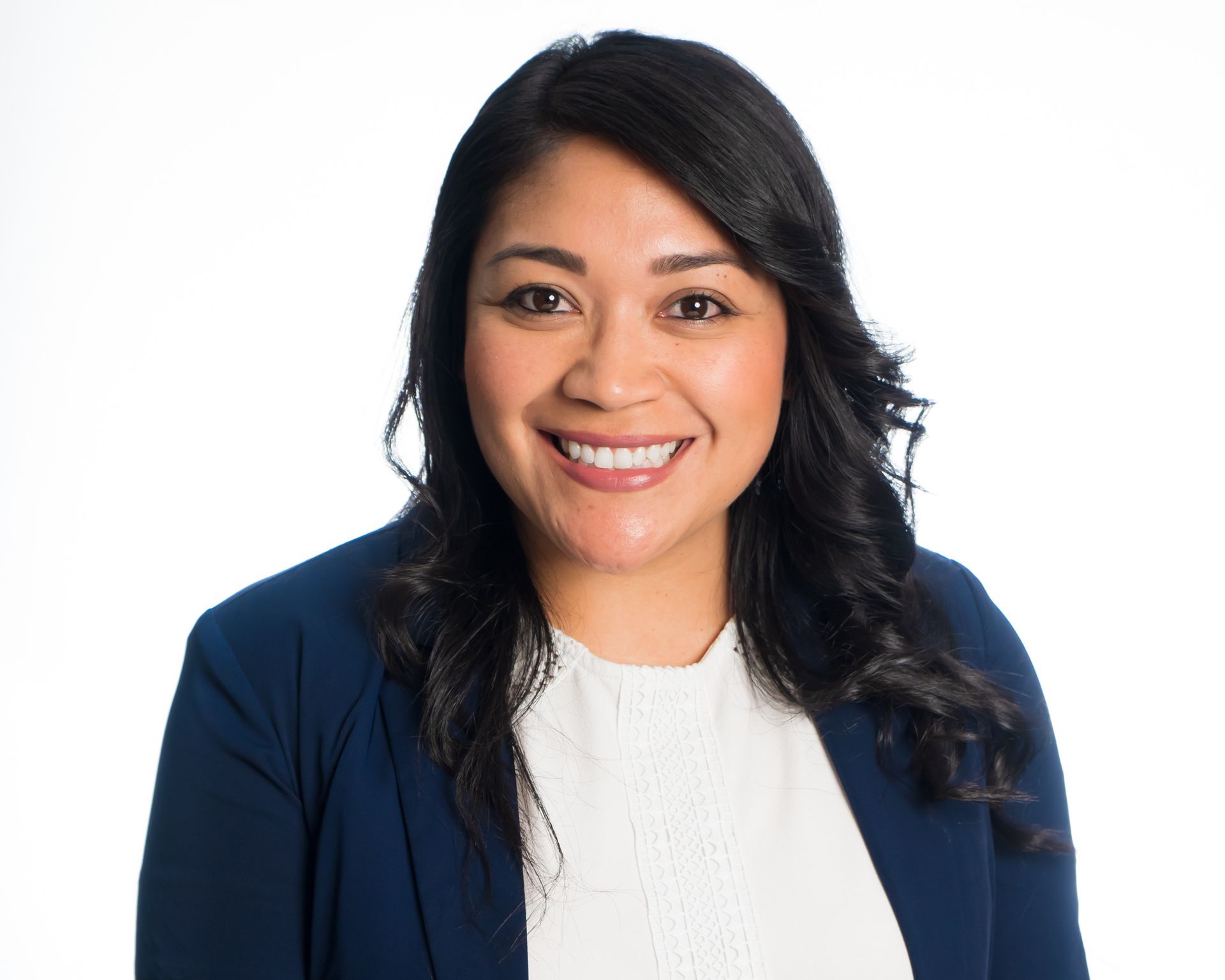
Meet Dama Perez, LMFT, couples therapist for Laguna Hills
Frequently asked questions about couples therapy in Laguna Hills
Can I use insurance for therapy?
I am currently an out-of-network provider. However, I can provide a superbill for you to submit to your insurance for possible reimbursement. Many PPO plans offer partial reimbursement. Check with your provider to confirm your benefits.
Do you offer a sliding scale?
Yes! I offer two sliding scale spots for clients with financial need. If cost is a concern, please reach out. I'm happy to discuss options during your consultation.
What does the therapy process look like?
We start with an intake session to explore your relationship history, communication patterns, and goals. From there, we’ll meet regularly to uncover deeper emotional patterns, build new tools for connection, and work toward the relationship you want to create. Therapy is always tailored to your unique story and pace.
What if I need to cancel or reschedule a session?
Life happens! I ask for at least 48 hours’ notice for cancellations or reschedules. Sessions canceled with less than 48 hours’ notice may be subject to the full session fee. No-shows or missed appointments without prior notice will be charged the full session rate, as that time is reserved specifically for you.
How does virtual therapy work?
Sessions are held through a secure, HIPAA-compliant video platform. You’ll receive a private link before each session. All you need is a quiet and confidential space, a reliable internet connection, and a device with a camera and microphone.
What if I don’t feel like we’re a good fit?
It’s completely normal to wonder if therapy is the right match for you. Building trust and feeling comfortable with your therapist is essential for meaningful growth. If at any point you feel unsure about our connection or approach, please let me know. We can talk openly about it and decide together whether to adjust our work or explore other options. Your comfort and progress are my top priorities, and I’m here to support you every step of the way whether that means continuing together or helping you find the best path forward.
Good Faith Estimate (No Surprises Act)
This Good Faith Estimate shows the costs of services that are reasonably expected for the expected services to address your mental health care needs. The estimate is based on the information known to us when we did the estimate.
The Good Faith Estimate does not include any unknown or unexpected costs that may arise during treatment. You could be charged more if complications or special circumstances occur. If this happens, federal law allows you to dispute (appeal) the bill.
If you are billed for more than this Good Faith Estimate, you have the right to dispute the bill.
You may contact the contact listed above if billed charges are higher than the Good Faith Estimate. You can request an update to the bill to match the Good Faith Estimate, ask to negotiate the bill, or ask if there is financial assistance available.
You may also start a dispute resolution process with the U.S. Department of Health and Human Services (HHS). If you choose to use the dispute resolution process, you must start the dispute process within 120 calendar days (about 4 months) of the date on the original bill.
There is a $25 fee to use the dispute process. If the agency reviewing your dispute agrees with you, you will have to pay the price on this Good Faith Estimate. If the agency disagrees with you and agrees with the health care provider or facility, you will have to pay the higher amount.
To learn more and get a form to start the process, go to: www.cms.gov/nosurprises or call CMS at 1-800-985-3059.
For questions or more information about your right to a Good Faith Estimate or the dispute process, visit www.cms.gov/nosurprises or call CMS at 1-800-985-3059.
This Good Faith Estimate is not a contract. It does not obligate you to accept the services listed above.