Couples Therapist in Summerlin | Marriage Counselor & Premarital Counseling
My CASA Therapy work for Summerlin centers on couples therapy first, then Gottman informed and premarital sessions, attachment based care and individual therapy. Behind the practice is me, Dama, and my sessions often fill up with the dependable ones in the office and the living room: Latina women shaped by a bicultural childhood, colleagues and leaders of color, and couples whose backgrounds differ, all carrying plenty while saying little. Many of the people I meet look composed from the outside while the relationship at home has gone quiet. I work in an emotionally focused way, which means I pay attention to the pattern between two people instead of hunting for someone to blame.
Between the long evening light over Red Rock Canyon and the shaded patios at Downtown Summerlin, this part of Las Vegas runs on routine and appearances. Residents drive Summerlin Parkway and the 215 to casino floors, medical offices and home offices, and the hours rarely leave much room for each other. Because I practice from Irvine, California, every session with a Summerlin client happens by video, which keeps a private conversation private and spares everyone the drive.
Privacy matters here, and so do demands that look like success: long shifts, a tidy house in a planned neighborhood where everyone seems fine, a family watching from a few states away. Cultural expectations about loyalty, silence and carrying everything alone can weigh on a marriage, and on the person who has been over functioning for years. My marriage and family counseling rests on my Nevada license and my California license, alongside a Certified Grief Educator designation and coursework in EFIT and EFT.
How it works and what makes my approach different

Step 1: A thorough intake session

Step 2: Emotionally focused sessions

Step 3: Practicing something new together
Explore my services and specializations
Some couples in Summerlin are not fighting at all. They are polite, busy and slowly drifting, trading logistics at the end of the day and missing each other underneath. Others fight about the same thing every week and cannot say what it is really about.
In sessions I look at what each of you is protecting and what each of you is longing for, then we practice saying it in a way your partner can actually hear. Many couples find the tension eases once the pattern is understood.
If your relationship also holds two cultures and two sets of family expectations, my work with multicultural marriage counseling speaks to that directly.
This is for the person who handles everything and has no one handling them. You may be the dependable daughter, the senior colleague, the partner who notices every mood in the house, and you are tired in a way sleep does not fix.
Together we build ways to settle your nervous system, to set boundaries without guilt, and to hear your own needs before everyone else's. Sessions can stay with grief, family pressure or the quiet weight of expectations.
When past relationships left a mark, relationship trauma therapy gives that history its own careful attention. You can do this work from your own living room, on your own schedule.
If you check your phone for a reply and feel your stomach drop, or replay a conversation for hours looking for what you did wrong, this may sound familiar. The fear underneath is usually about closeness, not about the text message.
I trace where that alarm learned to ring so loudly and teach your body another way to respond. Over time, reassurance can come from inside as well as from your partner.
Sessions go at a pace that respects how much you have been holding.
Couples who like structure often feel better when the problem has a shape. Criticism, defensiveness, shutting down and contempt are patterns that research backed work has long watched for in relationships.
I look at how your arguments begin, how they escalate, and what repair could look like in the middle of one. Partners often leave a session with something concrete to try that week.
Pairing that clarity with emotional depth keeps the work from feeling like a worksheet.
Engaged couples often arrive with a full calendar and an unspoken list: money, in laws, children, who handles what, how much of each family comes along. Wedding planning can crowd out the conversations the marriage will actually need.
Using Emotionally Focused Therapy with the Prepare/Enrich model, I put those topics on the table early and calmly. Raising them does not signal doubt, it signals care.
Couples begin their marriage knowing how they talk when it is hard.
Wanting closeness and flinching from it in the same breath is exhausting, for the person living it and for the partner watching. One week there is warmth, the next a sudden pulling away that neither of you can explain.
I go gently, naming the push and pull without shaming either side of it. A trauma informed pace lets trust build before the harder material arrives.
Many people find that intimacy begins to feel less like a risk and more like a choice they can make slowly.
I serve clients in Summerlin and nearby areas
Testimonials
Dama's approach to therapy is marked by empathy, insight, and a profound commitment to fostering positive change. I can confidently attest to her exceptional skills and unwavering dedication to the well-being of her clients.
Tammy H., Hyland & Associates
Dama is a colleague & a professional that truly cares about her clients & their therapeutic journey. She is highly skilled in Emotionally Focused Therapy helping individuals & couples navigate & strengthen their emotional connections within relationships.
Jan Covyeau
As a former US military officer, I can see Dama being a great therapist for active-duty members, families, and veterans. I confidently recommend clients to Dama because she cares and has clients' best interests in mind.
Angela Chwe
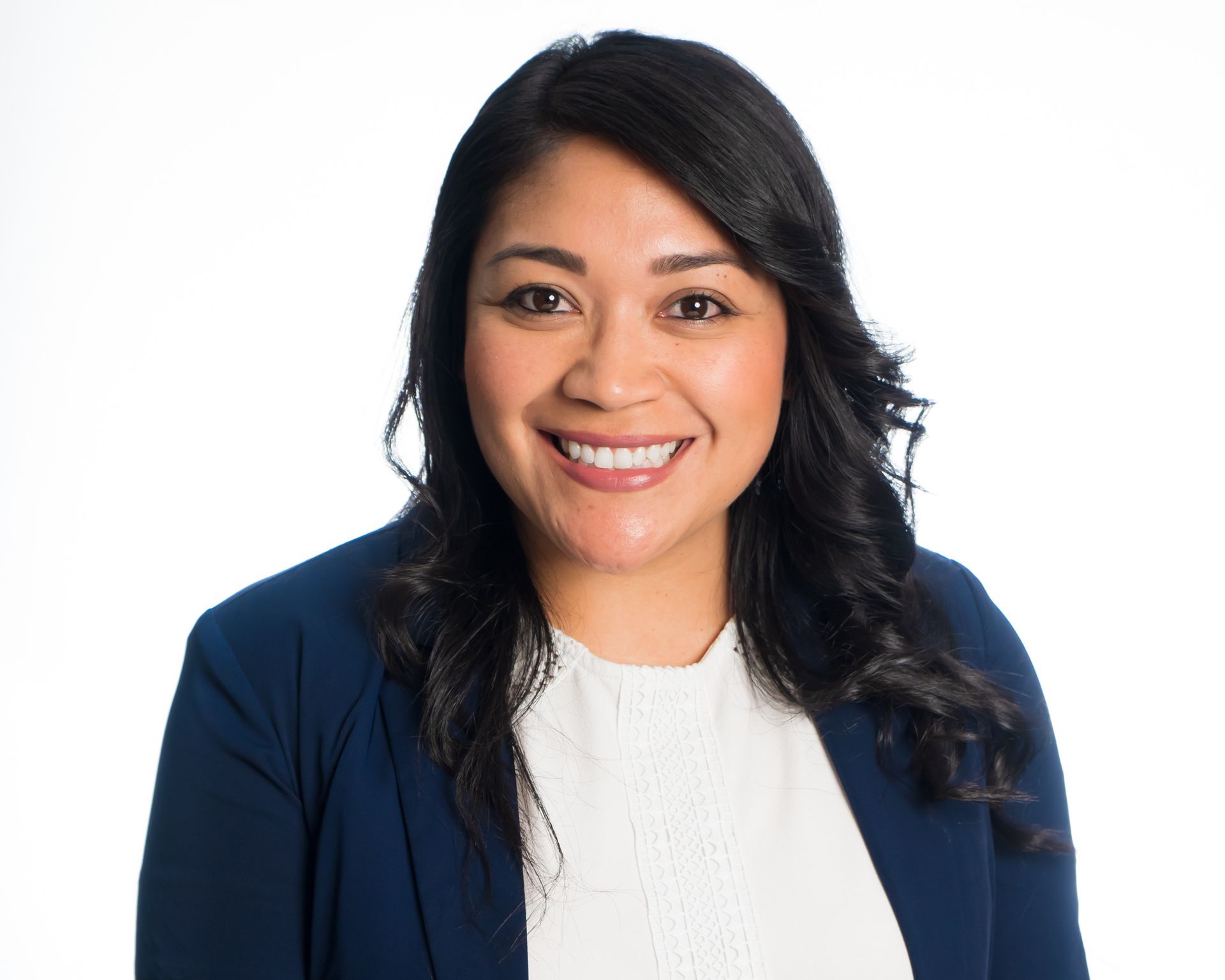
Meet Dama Perez, LMFT, couples therapist for Summerlin partners
Frequently asked questions about couples therapy in Summerlin
Can I use insurance for therapy?
I am currently an out-of-network provider. However, I can provide a superbill for you to submit to your insurance for possible reimbursement. Many PPO plans offer partial reimbursement. Check with your provider to confirm your benefits.
Do you offer a sliding scale?
Yes! I offer two sliding scale spots for clients with financial need. If cost is a concern, please reach out. I'm happy to discuss options during your consultation.
What does the therapy process look like?
We start with an intake session to explore your relationship history, communication patterns, and goals. From there, we’ll meet regularly to uncover deeper emotional patterns, build new tools for connection, and work toward the relationship you want to create. Therapy is always tailored to your unique story and pace.
What if I need to cancel or reschedule a session?
Life happens! I ask for at least 48 hours’ notice for cancellations or reschedules. Sessions canceled with less than 48 hours’ notice may be subject to the full session fee. No-shows or missed appointments without prior notice will be charged the full session rate, as that time is reserved specifically for you.
How does virtual therapy work?
Sessions are held through a secure, HIPAA-compliant video platform. You’ll receive a private link before each session. All you need is a quiet and confidential space, a reliable internet connection, and a device with a camera and microphone.
What if I don’t feel like we’re a good fit?
It’s completely normal to wonder if therapy is the right match for you. Building trust and feeling comfortable with your therapist is essential for meaningful growth. If at any point you feel unsure about our connection or approach, please let me know. We can talk openly about it and decide together whether to adjust our work or explore other options. Your comfort and progress are my top priorities, and I’m here to support you every step of the way whether that means continuing together or helping you find the best path forward.
Good Faith Estimate (No Surprises Act)
This Good Faith Estimate shows the costs of services that are reasonably expected for the expected services to address your mental health care needs. The estimate is based on the information known to us when we did the estimate.
The Good Faith Estimate does not include any unknown or unexpected costs that may arise during treatment. You could be charged more if complications or special circumstances occur. If this happens, federal law allows you to dispute (appeal) the bill.
If you are billed for more than this Good Faith Estimate, you have the right to dispute the bill.
You may contact the contact listed above if billed charges are higher than the Good Faith Estimate. You can request an update to the bill to match the Good Faith Estimate, ask to negotiate the bill, or ask if there is financial assistance available.
You may also start a dispute resolution process with the U.S. Department of Health and Human Services (HHS). If you choose to use the dispute resolution process, you must start the dispute process within 120 calendar days (about 4 months) of the date on the original bill.
There is a $25 fee to use the dispute process. If the agency reviewing your dispute agrees with you, you will have to pay the price on this Good Faith Estimate. If the agency disagrees with you and agrees with the health care provider or facility, you will have to pay the higher amount.
To learn more and get a form to start the process, go to: www.cms.gov/nosurprises or call CMS at 1-800-985-3059.
For questions or more information about your right to a Good Faith Estimate or the dispute process, visit www.cms.gov/nosurprises or call CMS at 1-800-985-3059.
This Good Faith Estimate is not a contract. It does not obligate you to accept the services listed above.